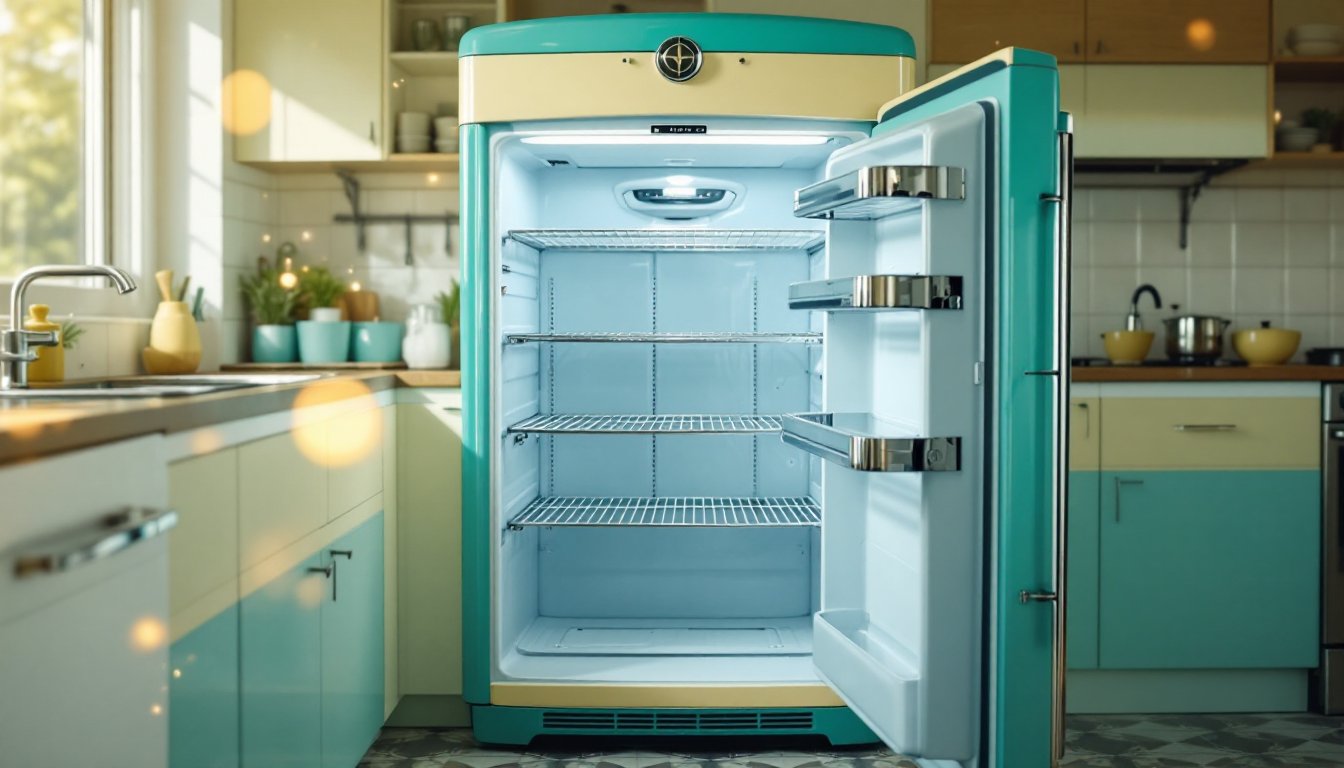
A vintage Frigidaire refrigerator sitting in your garage or basement isn’t just an old appliance, it’s a piece of kitchen history worth saving. Frigidaire models from the 1940s through 1960s represent a golden era of American industrial design, and restoring one to working condition can add genuine character to a vintage kitchen or period home. Whether you’ve inherited an old Frigidaire refrigerator or picked up one at an estate sale, the good news is that most vintage models are simpler mechanically than modern refrigerators, making them ideal for hands-on restoration. This guide walks you through evaluating your unit, assessing what needs repair, and bringing it back to life safely and functionally.
Table of Contents
ToggleKey Takeaways
- A vintage Frigidaire refrigerator from the 1940s–1960s can outlast modern appliances by decades thanks to simpler mechanics and durable steel construction, making restoration both practical and rewarding.
- Locate your vintage Frigidaire’s model and serial number on the metal plate inside the fridge compartment or on the exterior back to identify the year and specifications needed for authentic restoration.
- Exterior cleaning with mild soap, vinegar, and soft brushes restores original beauty without damaging vintage seals, while interior work involves visual inspections for rust, corrosion, and mold before any repairs.
- Always hire a licensed technician for electrical safety checks and refrigerant system work, as vintage models often need R-12 recovery and conversion to approved replacements like R-134a.
- Test your restored refrigerator’s cooling performance by running it for 24 hours and monitoring temperatures between 35–38°F in the main compartment to ensure the vintage unit operates safely and efficiently.
Why Vintage Frigidaire Refrigerators Are Worth Restoring
Frigidaire was the dominant refrigerator brand in America for decades, and their units became synonymous with reliability and clean modernist design. An older Frigidaire refrigerator from the post-war era doesn’t just look stunning in a restored kitchen, it often outlasts appliances built today in terms of longevity, thanks to simpler mechanics and heavier-gauge steel construction.
Beyond aesthetics, restoring a vintage model makes practical sense. Many older Frigidaire units still run after 60+ years with basic maintenance, whereas modern refrigerators often reach end-of-life in 10–15 years. The compressor, cooling system, and electrical components in frigidaire refrigerator older models were built with durability in mind, not planned obsolescence.
From a design perspective, vintage Frigidaire pieces are highly sought by interior designers and collectors. A restored unit becomes a conversation starter and a functional focal point in a kitchen, rather than appliance filler. The brand’s heritage also resonates with homeowners embracing mid-century modern or cottage-core aesthetics. Restoration isn’t just about nostalgia, it’s about reclaiming quality craftsmanship.
How to Identify and Evaluate Your Frigidaire Model
Before you invest time and money into restoration, you need to know exactly what you’re working with. Model identification, manufacturing date, and original specifications will guide every step of your restoration.
Frigidaire organized their product lines by decade and price point. Budget models came with basic ice-maker trays and mechanical controls, while premium units featured automatic ice makers, multiple compartments, and temperature dials. Frigidaire refrigerator older models tend to group into recognizable families: the 1940s Art Deco styles with rounded corners, the 1950s chromatic finishes and chrome trim, and the 1960s boxy, more angular designs. Understanding your unit’s era helps you source period-correct replacement parts and restoration materials.
The serial number is your restoration roadmap. Write it down, photograph it, and keep it handy throughout your project.
Finding Your Model Number and Year of Manufacture
Your Frigidaire’s model number and serial number are usually stamped or embossed on a metal plate located inside the refrigerator compartment, along the top inner edge or on the side wall near the back. On some older models, you’ll find a second plate on the exterior, typically on the back or bottom.
The model number typically consists of letters and numbers (e.g., “MT-8H” or “FD-12”). The serial number is separate and includes a date code. Frigidaire used different date coding systems depending on the decade. For 1940s–1950s models, the first or second digit often indicates the month and year. By the 1960s, the coding became more complex: you may need to cross-reference with manufacturer databases or vintage appliance forums.
Once you’ve recorded the model and serial information, search online vintage appliance databases, Frigidaire archives, or collector forums. Sites dedicated to vintage kitchen appliances often have searchable databases or community forums where restorers share identification tips. This research step saves you months of guesswork and ensures you don’t attempt repairs that will destroy originality or safety.
Step-by-Step Restoration Process
Restoration isn’t a single project, it’s a methodical sequence of cleaning, evaluation, repair, and testing. Most DIYers can handle exterior and basic interior work. Electrical and refrigerant system repairs should be left to licensed technicians.
Exterior Cleaning and Refinishing
Start by unplugging the unit and moving it to a work area where you can safely access all sides. The exterior will likely be grimy with decades of dust, grease, and discoloration.
Materials and tools you’ll need:
- Soft-bristle brush or old toothbrush
- Warm soapy water (mild dish soap)
- White vinegar
- Microfiber cloths
- 0000 steel wool (for chrome, if needed)
- Commercial stainless steel polish or vintage appliance restoration paste
- Safety glasses and nitrile gloves
Steps:
- Wipe down the exterior with a damp microfiber cloth to remove loose dust. Don’t oversaturate, vintage seals can leak if water infiltrates cabinet gaps.
- Clean painted surfaces with warm soapy water and a soft brush. For stubborn grime, apply white vinegar on a cloth and let sit for a minute, then wipe.
- Address chrome or nickel trim carefully. If the finish is dull but not pitted, 0000 steel wool and gentle circular motions can restore shine. Avoid aggressive scrubbing, which damages plating. Follow with chrome polish.
- Inspect paint for chips, rust, or peeling. If you want to repaint, use appliance-grade enamel paint matched to the original color (photos or paint samples from collector groups help). Light surface rust on trim can be treated with a wire brush and naval jelly, then touched up with appliance touch-up paint.
- Clean rubber gaskets and door seals with warm soapy water. If they’re hardened or cracked, replacement gaskets are available through vintage appliance suppliers, though this is more involved.
Don’t rush this step. A clean exterior often reveals the unit’s original beauty and shows you what repairs actually need doing versus cosmetic aging.
Interior Restoration and Functionality Checks
Once the exterior looks presentable, move to the inside. This is where you assess whether the refrigerator can actually cool again.
First, visual inspection:
- Check for visible rust, corrosion, or damage to the evaporator coils (the metal tubes usually visible at the top or back of the fridge compartment).
- Look at the compressor (a heavy cylindrical unit, usually on the back or bottom). Does it appear intact? Any signs of oil leaks?
- Inspect interior walls for excessive frost buildup, water damage, or mold growth.
- Test the door seal by closing it on a dollar bill, it should hold firm without sliding out.
Do not attempt to recharge or repair the cooling system yourself. Refrigerant work requires EPA certification and specialized equipment. If the unit isn’t cooling after a basic plug-in test, hire a licensed appliance repair technician who has experience with vintage models. They’ll check the refrigerant level, test the compressor, and determine whether repair is economical.
For interior cleaning, remove any shelves or drawers. Wipe interiors with a damp cloth and mild soap, then dry thoroughly. Use vinegar on stubborn stains. If you find mold, treat it with a 1:1 vinegar-to-water solution, let dry completely, and ensure ventilation before reassembling.
Making Your Vintage Frigidaire Functional Again
A beautiful exterior means nothing if your vintage refrigerator doesn’t keep food cold. Getting the cooling system running again is the make-or-break moment.
Electrical system check: Before anything else, have a licensed electrician verify the wiring is safe. Vintage appliances often have frayed cords or outdated grounding. If the cord is damaged, it must be replaced, not repaired with tape. Many vintage models use a simple on-off switch, modern thermostatic controls, so reliability depends on intact wiring and a functioning compressor.
Test the compressor: Plug in the unit (after electrical clearance) and listen. You should hear the compressor hum and click on after a few minutes. Feel the back or bottom, it should get warm as the compressor runs. If there’s no sound or activity after 10 minutes, the compressor has likely failed or the electrical circuit is broken.
Coolant system: This is where professionals come in. If the compressor runs but the fridge doesn’t get cold, the refrigerant may be low or the system may have a leak. A technician will evacuate the old refrigerant (many vintage models use R-12, which is no longer legal for recharging: it must be recovered), assess leaks, and decide on recharging with an approved replacement refrigerant like R-134a. This conversion isn’t trivial, it requires system flushing and sometimes oil changes, but it’s the only way to keep your vintage Frigidaire cold legally and safely.
Ice maker (if equipped): Older automatic ice makers are mechanical, not electronic, so they’re often repairable. If it’s not producing ice, check that water inlet lines aren’t frozen or kinked. Turn off the water supply if you’re not using it: leaks in century-old plumbing are common.
Final checks: Once cooling is confirmed, run the unit for 24 hours at full capacity. Monitor temperature with a basic refrigerator thermometer. It should sit between 35–38°F in the main compartment and 0°F or below in the freezer. If it overshoots or undershoots, the thermostat may need recalibration or replacement, a task for your technician.
Consider also checking vintage design resources for period-correct replacement parts, like drawer handles, light bulbs, or shelving. Sites focused on kitchen design ideas and appliance reviews can offer inspiration and vendor recommendations for sourcing hard-to-find pieces. If you’re serious about authenticity, collecting vintage materials from the same era (like original instruction manuals or vintage recipe booklets) adds depth to your restoration story and helps you operate the unit correctly.
Restoring a vintage Frigidaire requires patience, honest assessment, and a willingness to bring in professionals for electrical and refrigerant work. But when you flip the switch and feel cool air pour out of a machine built 60 years ago, you’ll understand why these appliances are worth the effort.