Good outdoor lighting does two jobs at once: it keeps your backyard safe and functional after dark, and it completely transforms how your space looks and feels. Whether you’re hosting a dinner party, reading on the patio, or just enjoying the view from your kitchen window, thoughtful landscaping lighting ideas can turn an ordinary yard into an inviting retreat. The key is layering different light types, path lights, uplighting, ambient fixtures, each serving a specific purpose. This guide walks you through practical techniques and modern options to light up your backyard without very costly or overcomplicating things.
Table of Contents
ToggleKey Takeaways
- Layer different light types—path lights, uplighting, and ambient fixtures—to create both safety and visual drama in your landscaping lighting ideas.
- Space path lights every 4–6 feet along walkways and position fixtures below eye level to prevent glare and tripping hazards.
- Uplighting positioned 2–3 feet from tree trunks transforms backyards from flat to theatrical, creating depth and shadow play that overhead lighting cannot achieve.
- Use warm white (2700K) color temperature for wood and stone features to flatter materials, and avoid over-lighting by choosing one or two well-placed fixtures over multiple dim ones.
- LED technology is essential—it uses 75–80% less energy than incandescent bulbs and lasts 25,000+ hours, making backyard lighting both sustainable and cost-effective long-term.
- Consider a hybrid approach combining hardwired low-voltage systems for primary ambient lighting with solar accent pieces to manage installation complexity while maximizing coverage.
Path And Accent Lighting For Safety And Style
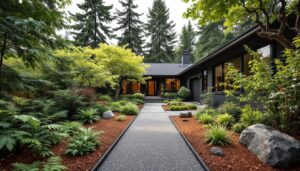
Path lighting does the heavy lifting when it comes to making your backyard both safe and navigable. Low-voltage LED path lights (typically 12V systems) guide feet along walkways, deck edges, and around planting beds without glare or harsh shadows. Most homeowners choose between solar stake lights, hardwired LED fixtures, or hybrid systems, solar is easiest to install (no trenching required), while hardwired offers consistent brightness regardless of cloud cover.
For spacing, aim for fixtures every 4 to 6 feet along pathways. This prevents tripping hazards and creates a cohesive look without looking like a runway. Accent lighting, meanwhile, highlights specific plants, stone features, or architectural details, a potted shrub near your patio, a rock wall, or a fence line. Use uplighting or downlighting depending on the effect you want. Downlighting creates softer shadows: uplighting makes trees and tall features pop dramatically.
When choosing fixture styles, stick to finishes that match your home’s architecture. Bronze and matte black fixtures blend into landscapes: shiny brass or chrome tend to catch eyes (sometimes unpleasantly at night). Install lights at least 6 inches below eye level when seated so they don’t create glare. Also, always check local codes, some municipalities have dark-sky ordinances limiting light pollution, so you may need to use shields or directional fixtures.
Uplighting And Spotlighting Techniques For Drama
Uplighting transforms a backyard from flat and forgettable to genuinely theatrical. Position a light source near the base of a tall tree or architectural element and let the beam travel upward, this creates depth, shadow play, and visual interest that flat overhead lighting simply can’t match. Spotlights (20–50W LED) work best here: they’re narrow-beam fixtures that concentrate light on a specific focal point.
When uplighting trees, place fixtures 2–3 feet from the trunk on the side facing your patio or seating area. This angles the light naturally and avoids washing out the tree’s texture. For shrubs and low plantings, use smaller accent lights (5–10W) positioned just out of sight at ground level. The trick is hiding the fixture itself while making the plant look amazing.
Highlighting Trees, Shrubs, And Architectural Features
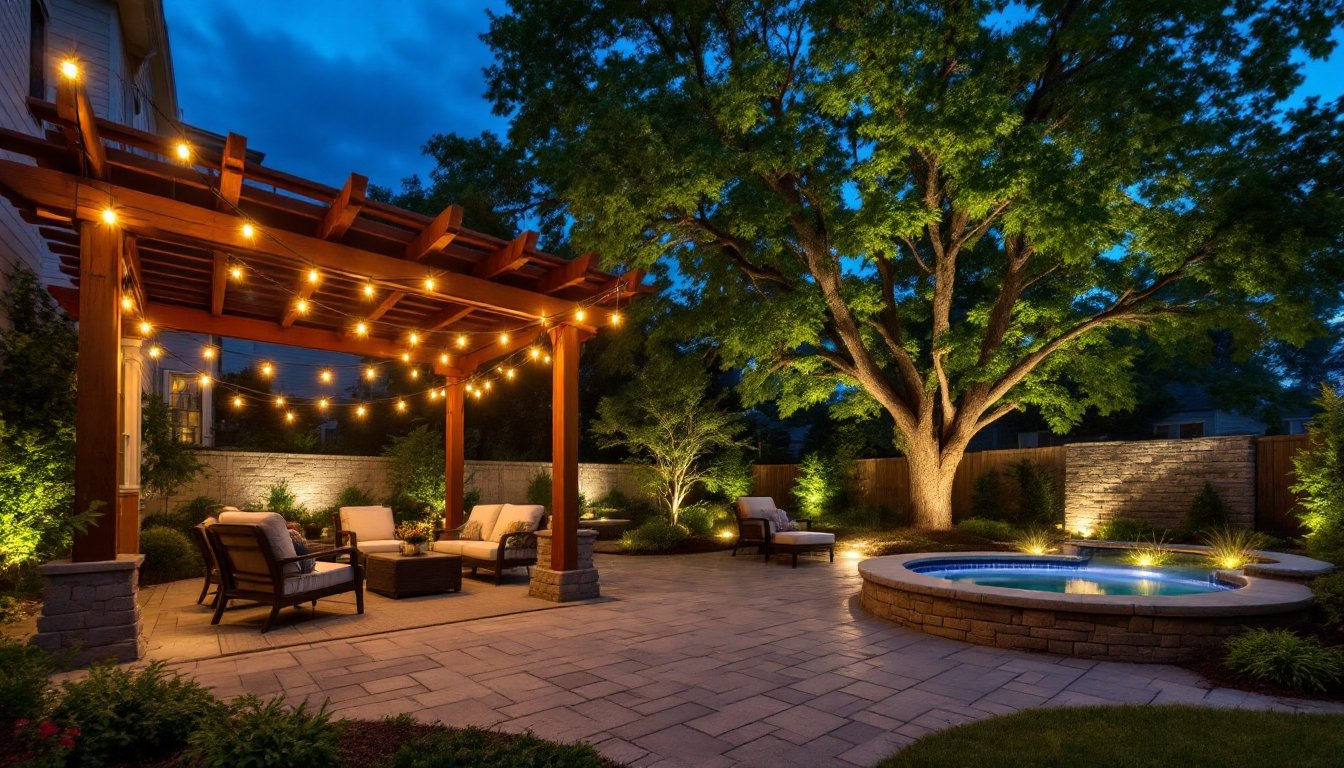
Architectural features, pergolas, stone chimneys, fence arbors, deserve their own lighting strategy. A combination of uplight and sidelighting creates dimension. If you’re lighting a pergola, place uplights under the posts and add a subtle wash of light across the overhead beams. For a stone feature like a retaining wall or planter, sidelighting (fixtures mounted horizontally at ground level) emphasizes texture and masonry detail.
Color temperature matters here. Warm white (2700K) light flatters wood and stone: cool white (4000K+) can make materials look harsh or institutional. Stick with warm tones unless you’re going for modern minimalism. Also avoid over-lighting, one or two well-placed fixtures beat five dim ones every time. Dark sky friendly fixtures with shields prevent light from spilling into neighbors’ yards and help preserve that cozy, intimate feel your backyard deserves.
String Lights And Ambient Outdoor Lighting
String lights (also called bistro or cafe lights) create instant warmth and ambiance without technical complexity. Commercial-grade LED string lights last longer than traditional incandescent versions and use a fraction of the electricity. Edison bulbs and vintage-style LEDs add character: clear or frosted finishes are your main options, with frosted diffusing light more evenly across a seating area.
Layout matters. Run strings overhead, between trees, from a pergola, or strung between posts, at least 8–10 feet high to avoid glare when seated. Sagging or crossing the sky at odd angles looks sloppy: use guide wires or eye bolts to keep tension consistent. For a 20×15 foot patio, plan on two to three parallel lines of lights spaced 4–6 feet apart.
Lamped lighting, pendant fixtures hung from a pergola or shade structure, offers a more refined look than string lights and works well for dining areas. Ambient uplighting from low ground fixtures creates a subtle glow without directly illuminating your seating area. This “wash” of light makes the entire backyard feel welcoming rather than spotlit. Layer it with dim path lights and accent fixtures for a balanced, inviting scene that feels naturally lit rather than designed.
Water Feature And Landscape Lighting
Water features, ponds, fountains, streams, deserve specialized lighting because water reflects and diffuses light in ways solid surfaces don’t. Underwater fixtures (fully sealed, 12V low-voltage systems) placed just below the water surface create a gentle glow. For a fountain basin or pond, position them to backlight the water spray so light shines through the water droplets. This creates a luminous, almost magical effect without harsh shadows.
Edge lighting (fixtures mounted along the perimeter of a water feature) outlines the feature’s shape and creates a frame of light. Use warm-white LEDs (2700K) around water to avoid an overly clinical look. Avoid pointing lights directly upward from water, this blinds anyone nearby and washes out the surrounding landscape.
For fountain plumbing considerations, hire a professional to integrate the lighting system into your pump and plumbing. Water and electricity require proper bonding and grounding per the National Electrical Code (NEC). Check local building codes before installing, many jurisdictions require a licensed electrician for low-voltage systems around water features or permanently installed fixtures. Budget an extra day or two if you’re not comfortable with the electrical work.
Smart Lighting And Energy-Efficient Options
Smart outdoor lighting systems let you control brightness, color temperature, and scheduling from your phone. Many systems sync with home automation hubs (Alexa, Google Home, Apple HomeKit) so you can adjust lighting without walking outside. Dimmers allow you to set mood, bright enough for a dinner party, dimmed low for an evening wind-down.
LED technology is non-negotiable in 2026. LED fixtures use 75–80% less energy than incandescent equivalents and last 25,000+ hours compared to 1,000 hours for traditional bulbs. Warm-white LEDs (2700K–3000K) mimic natural evening light and pair well with natural wood and stone. Cost upfront is higher, but you’ll recoup it in reduced electricity and replacement frequency.
Solar-powered path and accent lights eliminate wiring but have real limitations: they rely on daylight charging, perform poorly in cloudy climates, and tend to dim as battery capacity degrades after 3–5 years. They work best as supplementary accent lights, not your primary system. Hardwired low-voltage systems (12V transformer-based) offer consistency and reliability but require trenching or surface conduit to hide wiring. Consider a hybrid approach: hardwired ambient and uplighting with solar accent pieces to fill in gaps. This keeps installation manageable while maximizing coverage and reliability. Research outdoor landscape lighting techniques to understand layering and balance.
Conclusion
Transforming your backyard with thoughtful lighting isn’t just about aesthetics, it’s about extending your outdoor living season and making the space safer and more functional after dark. Start by identifying your yard’s focal points: trees, water features, architectural details, pathways. Layer different light types, path lighting for safety, uplighting for drama, ambient fixtures for comfort, rather than lighting everything equally. Consider your budget, local codes, and whether you’re comfortable with DIY installation or need a licensed electrician. With modern LED options and smart controls available, there’s a lighting solution for every backyard, whether you’re working with a sprawling lot or a modest patio.