Your backyard is an extension of your home, and it doesn’t have to cost a fortune or demand a landscape architect to look impressive. Whether you’ve got a postage-stamp patio or a sprawling yard, thoughtful landscaping backyard ideas can transform the space into a functional oasis that you’ll actually use. The good news? Most of the work is about smart planning, not complex installation. This guide walks you through practical strategies, from low-maintenance gardens to hardscaping that lasts, to budget-conscious DIY projects, so you can create a backyard that works for your lifestyle and adds real value to your property.
Table of Contents
ToggleKey Takeaways
- Transform your backyard with smart landscaping ideas that prioritize native plants, drip irrigation systems, and low-maintenance design to save time and money without sacrificing beauty.
- Create functional outdoor living spaces by designing patios and decks with proper sizing (at least 12 by 14 feet), incorporating pergolas for shade, and establishing activity zones for entertainment and relaxation.
- Choose hardscaping elements like gravel pathways, metal edging, and raised beds that reduce maintenance while adding visual interest and durability to your landscape.
- Plan for year-round visual appeal by layering plants of different heights, selecting evergreens for winter structure, and including seasonal bloomers like hellebores and spring bulbs.
- Save significantly on landscaping costs by tackling DIY projects like mulching, planting from seed, building raised beds, and purchasing smaller plants early in the season when nurseries offer discounts.
- Start your backyard transformation with one section at a time to spread costs and test what works before expanding your landscaping project throughout the entire yard.
Low-Maintenance Garden Designs for Busy Homeowners
If you’re tired of mowing, watering, and weeding every weekend, a low-maintenance garden design saves time and money. The secret isn’t to eliminate plants, it’s to choose the right ones and set up systems that work with nature instead of against it.
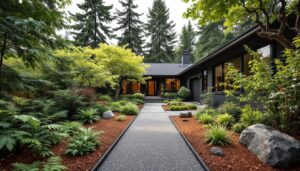
Start with native plants suited to your climate zone. They thrive in local soil, need less water, and attract pollinators naturally. Rock mulch or wood chips suppress weeds, reduce evaporation, and age better than bare soil. Group plants by water needs (sun lovers away from shade lovers) so you’re not overwatering one bed to satisfy another.
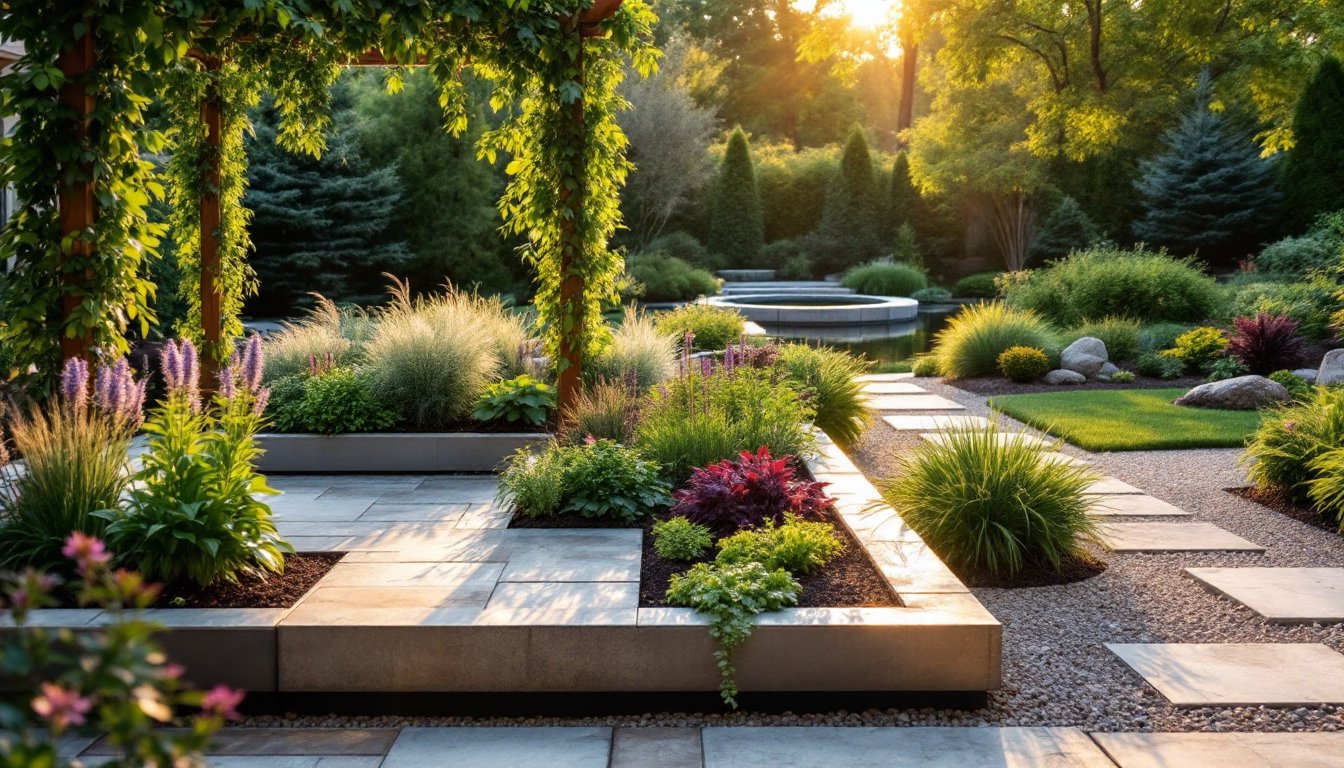
Hardscape features like gravel pathways or stepping stones reduce the mowable area and create visual interest without maintenance. Perennial shrubs and groundcovers replace annuals that demand replanting yearly. Raised beds filled with quality soil and edging material (composite, metal, or concrete) make gardening easier on the back and keep lawn edges clean.
Consider a simple drip irrigation system on a timer, it delivers water directly to roots and cuts water waste by half compared to sprinklers. Landscape Water Efficiency: Transform Your Garden and Save Water Effortlessly covers these systems in detail, showing you how to save money and drought-proof your garden simultaneously.
Creating Outdoor Living Spaces for Entertainment and Relaxation
An outdoor room extends your home’s usable square footage and makes entertaining effortless. Think beyond just a grill and some chairs, design zones for different activities: seating clusters, dining areas, and quiet retreats.
Designing Functional Patios and Decks
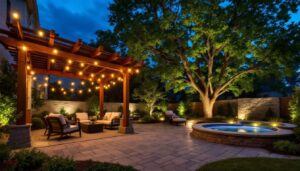
A patio or deck is the foundation of outdoor living. Before you pour concrete or lay pavers, measure twice and plan furniture placement. A typical patio seats six around a dining table and allows foot traffic, aim for at least 12 by 14 feet for comfortable spacing. Pavers (concrete, natural stone, or permeable alternatives) are easier for DIYers than poured concrete: you can replace damaged sections later. Lay them on a compacted gravel base with sand, and use a rubber mallet to level them, mistakes here show immediately.
Decks demand more structural attention. Posts must sit on frost footings below the frost line in your area (varies by region: check local code). Joists typically span 16 inches on-center, and material choice matters: pressure-treated lumber is affordable and durable, composite is lower-maintenance but pricier, and cedar looks beautiful but needs sealing. Pergola Plans: Transform Your Backyard into a Cozy Outdoor Retreat adds overhead shade and architectural interest to any deck or patio.
Incorporate elements for all seasons: string lights or a pergola for summer shade, a fire pit for cooler evenings, and windbreaks for exposed sites. Raised garden beds near the seating area let you grow herbs or vegetables within arm’s reach.
Water Features and Hardscaping Elements
Water features, even small ones, create focal points and a sense of calm. A simple recirculating fountain uses minimal electricity and needs just a pump, basin, and stone or vessel. Ponds attract wildlife and can include fish and aquatic plants, but they require regular maintenance and proper depth (at least 2 feet) to prevent algae and support life through winter. Check local regulations: some areas regulate pond size or chemical use.
Hardscaping ties the landscape together. Retaining walls control erosion on slopes and create planting beds on flat sites, dry-stacked stone is charming but unstable, while a proper wall uses a gravel base, geotextile fabric, and drainage to prevent water damage. Gravel or mulch pathways cost less than pavers and feel natural: refresh them yearly as they compact and wash away.
Edging keeps beds crisp and prevents grass from creeping into planting areas. Metal edging looks modern and lasts decades. Composite or plastic edging is softer underfoot and easier to install but wears faster. Stone or timber edging feels rustic but needs regular maintenance. Outdoor Landscaping: Transform Your explores budget approaches to hardscaping that don’t sacrifice durability.
Color, Texture, and Seasonal Plant Selection
A cohesive backyard uses color and texture intentionally. Choose a color scheme, say, deep purples and silvers, or warm oranges and reds, and repeat it throughout the garden. This creates flow and prevents the “rainbow chaos” feeling of random plantings.
Texture variety keeps gardens visually interesting: feathery ornamental grasses contrast with bold, chunky hostas: fine-leaved conifers balance broad-leafed shrubs. Mix plant heights (low groundcovers, mid-height perennials, tall trees) to create layers and screening.
Seasonal planning prevents a dead, brown yard from November to March. Include evergreens for winter structure. Winter-blooming plants like hellebores and witch hazel provide color when most gardens sleep. Spring bulbs (tulips, daffodils, crocuses) emerge early. Summer perennials and annuals carry the show. Fall-blooming sedum, asters, and ornamental grasses extend the season beautifully.
Regional guides like Southern Living and Country Living showcase regional styles and plant palettes that thrive in specific climates, helping you choose varieties proven in your zone.
Budget-Friendly Landscaping Tips and DIY Projects
Professional landscaping is expensive, but you can achieve polished results with patience and smart choices. Start small, tackle one section at a time instead of the entire yard at once. This spreads costs and lets you see what works before investing more.
DIY projects that save the most money:
- Mulching and edging: Spread mulch in spring and fall. A cubic yard costs $40–60 and covers roughly 100 square feet at 4 inches deep. Edge with metal or landscape fabric to reduce labor later.
- Planting from seed: Grass seed and wildflower mixes cost a fraction of sod or nursery plants. Prepare soil, broadcast seed, water consistently, and wait, it takes patience but works.
- Building a simple raised bed: Untreated cedar or composite boards screwed together, filled with soil, cost $100–200 and last years. Add drip irrigation for another $30–50.
- Stone or gravel pathways: Lay landscape fabric, add edging, spread gravel. No digging required, and it’s forgiving for beginners.
Buy plants in smaller sizes (2–3 gallon pots instead of 5-gallon) early in the season when nurseries discount overstocked inventory. Group purchases at the same nursery for volume discounts. Front Yard Landscaping Secrets: details how strategic planting and design choices multiply the impact of every dollar spent, and those principles apply to backyards too.
Safety note: Wear gloves when handling mulch or soil, and use knee pads for extended kneeling. If you’re moving heavy pavers or stones, get help, a 2-foot-square flagstone weighs 60+ pounds.
Conclusion
Transforming your backyard doesn’t require a blank check or a crew of professionals. By prioritizing low-maintenance plants, functional outdoor living spaces, and smart hardscaping choices, you’ll create a landscape that’s beautiful, practical, and built to last. Start with one section, learn as you go, and let your backyard evolve into the outdoor sanctuary your family will use year-round. The investment, in time and money, pays dividends in daily enjoyment and home value.