Your backyard is wasted potential if it’s just grass and a fence. Whether you’re working with a sprawling lot or a modest urban plot, solid backyard design ideas can turn that unused space into a functional, beautiful extension of your home. From thoughtful landscaping and strategic layouts to smart lighting and gathering spots, backyard landscape ideas don’t require a massive budget or professional contractor, just a clear plan and some elbow grease. This guide walks you through seven practical ways to redesign your backyard, covering everything from zone planning to hardscaping. You’ll find actionable tips for creating a space that works for your lifestyle, whether you’re hosting weekend barbecues or building a quiet retreat.
Table of Contents
ToggleKey Takeaways
- Divide your backyard into defined zones (dining, lounging, cooking, playing) to maximize space and create intentional flow, even in small outdoor areas.
- Select plants based on sun exposure, soil type, and drainage, using native species and layering trees, shrubs, and groundcover for visual depth and low-maintenance backyard design ideas.
- Layer outdoor lighting with path lights, uplighting, and string lights to enhance ambiance and extend usability into evening hours without requiring professional installation.
- Create at least one comfortable gathering spot with adequate seating and shade, using hardscaped areas and built-in features that last longer than replaceable outdoor furniture.
- Choose hardscaping materials (concrete, pavers, or gravel) based on budget and durability, with proper base preparation and drainage to prevent water damage and long-term maintenance issues.
- Add a focal point like a water feature, fire pit, or specimen tree to anchor your design and draw the eye, making the space feel intentional rather than empty.
Create Defined Zones for Function and Flow
The biggest mistake homeowners make is treating the backyard as one open, undefined area. Dividing your space into distinct zones, dining, lounging, cooking, playing, gives your yard purpose and makes even small backyards feel larger. Start by sketching a rough layout on paper or using simple measuring tape to map distances from house to fence. A typical dining zone needs about 10 feet by 10 feet for a table and chairs: a lounging area with seating and a fire pit requires roughly 15 by 15 feet.
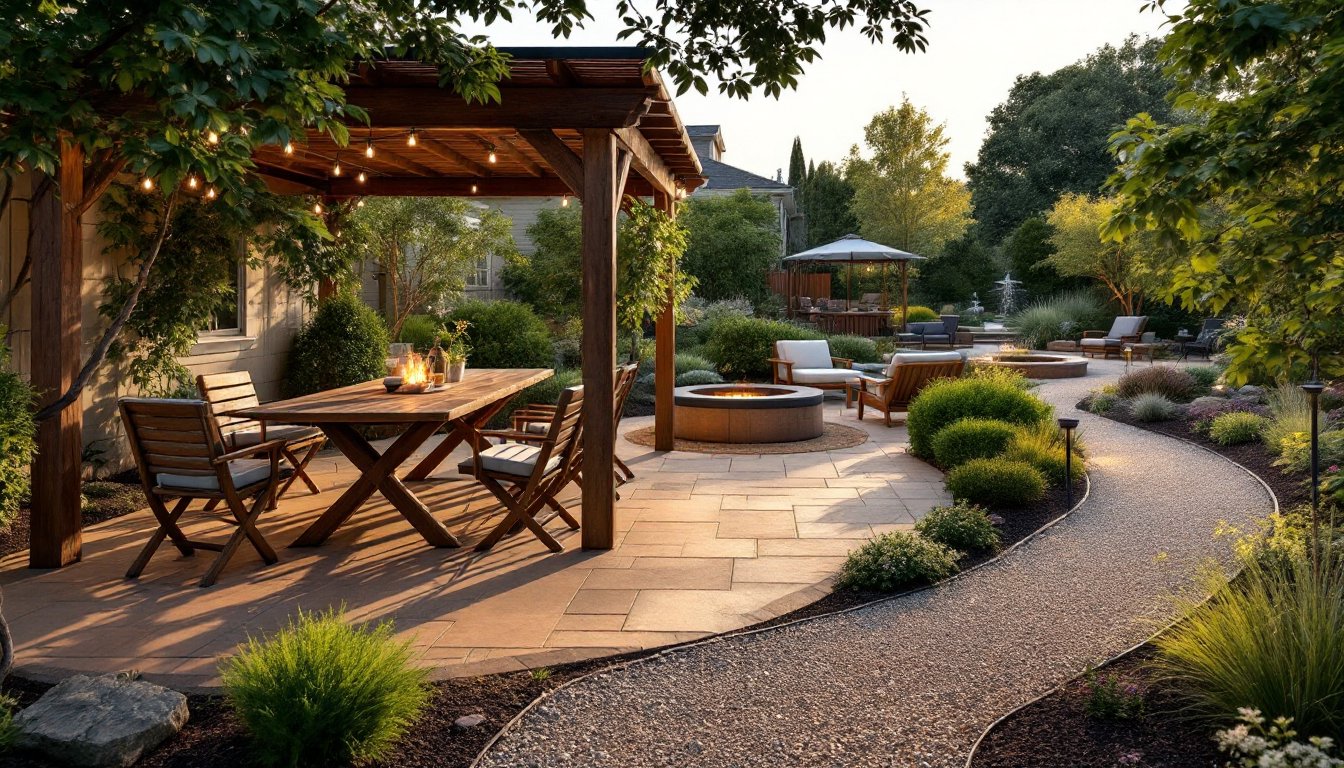
Use hardscape materials (pavers, gravel, mulch) or plantings to visually separate zones without blocking sightlines. A low shrub border or a pergola can define a gathering area without making the yard feel cramped. If you’re working with a small backyard, overlapping zones helps maximize space, for example, place dining seating where you can see into a play area or lounging space. This approach creates flow and encourages movement through the yard rather than dead-end corners. Consider how foot traffic naturally moves from door to fence, and plan your zones along that path for the most intuitive layout.
Choose the Right Plants and Landscaping
Plants bring life to backyard landscaping ideas, but picking randomly leads to overgrown messes and dead sections. Start by assessing your site: sun exposure (full sun is 6+ hours direct light: partial shade is 3–6 hours), soil type, and drainage. Most DIYers underestimate how much their plants will grow: a shrub labeled “4 feet tall at maturity” takes 5–7 years to reach that size. Space accordingly.
Mix plant layers for visual depth: canopy trees for shade, understory shrubs for midlevel interest, and groundcover or perennials at ground level. For landscaping ideas for backyard spaces, native plants are your ally, they’re adapted to your local climate, need less water and fertilizer, and support local pollinators. Before planting, amend your soil with compost or aged bark: most backyards need better drainage and organic matter than native soil provides. Consider a landscape backyard ideas guide that breaks down specific plant combinations for your hardiness zone. If you’re unsure about plant selection, spend an afternoon visiting local botanical gardens or checking what thrives in neighboring yards, free research that beats guessing.
Add Lighting for Ambiance and Usability
Outdoor lighting transforms a backyard at dusk and extends usability into evening hours. You don’t need professional electrical work for most setups, solar path lights, string lights, and battery-powered spotlights are effective and code-compliant.
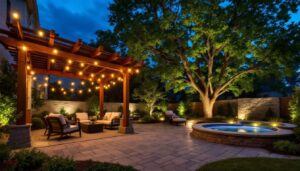
Layer your lighting: install path lights along walkways for safety, use uplighting on trees or architectural features for ambiance, and add task lighting (like a lantern or fixture) near seating or cooking areas. String lights draped across a pergola or overhead wires create an inviting glow without harsh shadows. For small backyard garden ideas, subtle path lighting and a single uplighting fixture often suffice. If you’re running permanent outdoor lights, use weatherproof fixtures and bury or protect wiring according to local electrical codes (typically 12 inches deep for low-voltage, check your local IRC). Solar options avoid digging but lose brightness on cloudy days and need regular cleaning. Warm color temperatures (2700K) feel more relaxing than cool white (5000K+), so opt for warm when possible. Test placement during evening hours before finalizing permanent installations, what looks good in daylight might create unwanted shadows at night.
Incorporate Seating and Gathering Areas
Backyard designs fail when there’s nowhere comfortable to sit. Define at least one main gathering spot, a patio, deck, or level ground area, with adequate seating and shade. A 12-by-12-foot hardscaped area accommodates a dining table and chairs or several lounge chairs plus a fire pit.
Choose seating based on use: weatherproof outdoor furniture (metal or polyester), wood benches (which age gracefully but need maintenance), or built-in seating (concrete benches, wooden deck benches). Built-ins save space and cost less long-term than replacing outdoor furniture every 5–7 years. Shade is essential for summer use, a pergola, shade cloth, or natural tree canopy lets people linger comfortably. If you’re building a patio, pour a level concrete pad at least 4 inches thick on a 4-inch gravel base: this prevents water pooling and frost heave. For fire pit areas, maintain at least 10 feet clearance from structures and overhanging branches (check local fire codes). A pergola plans resource can guide you through building an overhead structure that provides dappled shade and visual interest, making your space feel intentional rather than empty.
Select Hardscaping and Outdoor Flooring
Hardscaping, patios, pathways, retaining walls, anchors your design and handles foot traffic without maintenance. The three main patio materials are concrete, pavers, and gravel: each has tradeoffs.
Concrete is durable, affordable (~$5–12 per square foot installed), and low-maintenance, but cracks over time and can feel institutional without color or finish. Pavers (natural stone, brick, or permeable concrete) cost more (~$10–20 per square foot) but allow creative patterns and easier repair, you replace one paver rather than a patch. Gravel is the cheapest (~$2–5 per square foot) and drains excellently but requires annual raking and mulch layer refreshing. For pathways, permeable options (gravel, pervious pavers) prevent water pooling and are better for drainage. Prepare any base by removing sod, grading for drainage (slope away from structures at ¼ inch per foot), and compacting soil. Lay down landscape fabric before gravel to reduce weeds. Estimate materials carefully, a 12-by-16-foot patio (192 square feet) needs roughly 19 cubic yards of gravel or 13 tons of sand base plus 192 square feet of surface material. These backyard layout ideas work best when paired with defined edges (metal edging, wood borders, or concrete footers) to prevent material migration.
Enhance With Water Features and Focal Points
A focal point, something that draws the eye and anchors the design, prevents the backyard from feeling aimless. Water features rank high: a simple birdbath or small fountain ($50–300) works for tiny yards, while a larger pond or pondless waterfall (DIY kits start around $200–500) suits bigger spaces.
Other focal points include a fire pit, sculpture, or specimen tree. A specimen tree (single large tree with interesting bark, shape, or color) becomes a natural gathering point and provides scale. For water features, pondless fountains are popular because they recirculate water without mosquito breeding grounds, just keep the pump clean and refill as water evaporates. If you’re adding a pond, site it in partial shade, away from trees (falling leaves foul the water), and plan for 18–24 inches depth to prevent algae and support aquatic life. These backyard landscaping designs work best when the focal point is visible from your main viewing area (kitchen window, patio, seating zone). Pair it with subtle uplighting and surrounding plantings to frame it nicely. Southern Living and Country Living often feature creative focal point ideas, a quick scroll shows how professional designers anchor outdoor spaces with both grand and humble features, giving you realistic inspiration.
Conclusion
Transforming your backyard doesn’t require a landscape architect or unlimited budget. Start with one or two changes, define zones, plant strategically, add lighting, and iterate from there. Successful backyard design ideas balance function (where people gather, how they move through space) with aesthetics (plants, focal points, materials). Measure twice, prep surfaces thoroughly, and don’t rush plantings or hardscaping: most backyard failures trace back to skipped prep work. Your outdoor space reflects how you live, make it work for you.