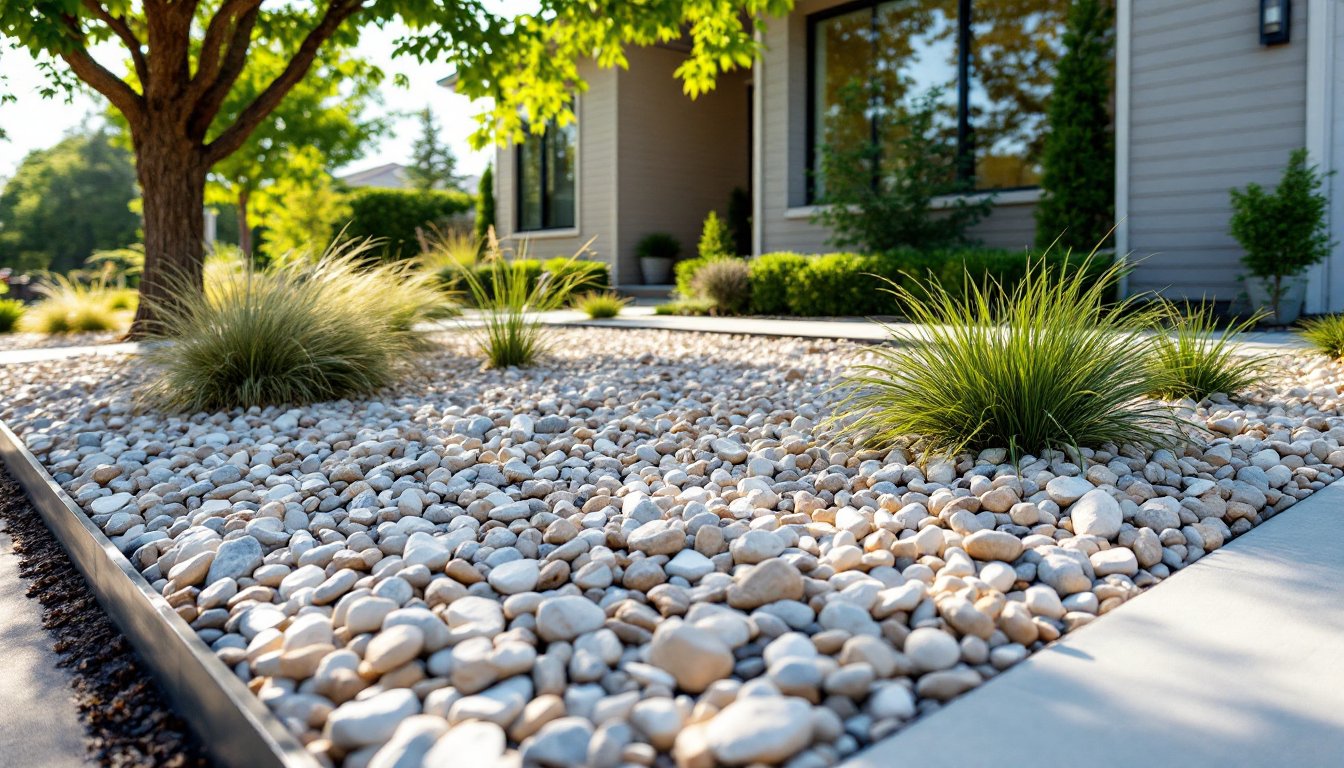
River rock landscaping offers homeowners a practical solution for a polished, low-maintenance front yard that requires minimal watering, mowing, or seasonal upkeep. Unlike traditional lawns, a well-designed river rock landscape reduces water consumption, eliminates weekly yard work, and provides clean, modern curb appeal year-round. Whether you’re working with a small urban plot or a sprawling suburban front yard, river rock can be customized to fit your space, climate, and aesthetic preferences. This guide walks you through why river rock works, how to plan your design, and exactly how to install and maintain it for years to come.
Table of Contents
ToggleKey Takeaways
- Low maintenance front house river rock landscaping eliminates mowing, watering, and seasonal upkeep while providing year-round curb appeal and reducing water consumption.
- Medium river rock (1 to 2 inches) is the most versatile choice for residential front yards, offering the best balance between stability and ease of adjustment.
- Proper installation requires clearing vegetation, leveling soil, laying heavy-duty landscape fabric, and spreading rocks to 2–3 inches depth—a process that typically takes 2–4 hours for an average yard.
- Seasonal maintenance is minimal but necessary: raking spring debris, managing summer algae in shaded areas, clearing fall leaves, and rinsing away winter salt to keep your landscape looking pristine.
- River rock works in nearly any climate and complements modern, contemporary, or traditional home styles when paired with drought-tolerant plants and thoughtful design planning.
Why River Rock Is the Perfect Low-Maintenance Landscaping Choice
River rock delivers on the promise of low-maintenance landscaping without sacrificing curb appeal. Unlike sod or planted beds, river rock requires no mowing, watering, fertilizing, or seasonal planting cycles. It sits stable for years, resists erosion better than mulch, and won’t decompose or need replacement annually.
The rocks absorb and radiate heat, which can help suppress weed growth beneath landscape fabric, though some weeds will still attempt to emerge (more on that below). River rock also works in nearly any climate, whether you’re in an arid Southwest region embracing desert landscaping principles or a humid Northeast dealing with heavy rainfall.
Design-wise, river rock creates visual interest through texture and color variation. Smooth, water-worn stones come in earth tones (gray, tan, rust, cream) that complement modern, contemporary, or even traditional home styles. A river rock landscape can feel clean and architectural or soft and natural, depending on how you layer it with plants, borders, and accent elements. Many homeowners find that a Front Yard Landscaping design incorporating river rock strikes the right balance between maintenance and aesthetic impact, especially when paired with drought-tolerant shrubs or ornamental grasses.
Planning Your River Rock Front Yard Design
Before buying a single stone, spend time observing your space and imagining the finished result. Proper planning prevents costly mistakes and ensures your design complements your home’s architecture and your lifestyle.
Assessing Your Space and Sunlight Conditions
Walk your front yard at different times of day, noting which areas receive full sun, partial shade, or full shade. River rock reflects heat intensely in full-sun zones, which can kill tender plant roots nearby and create uncomfortable hot spots during summer. In shadier areas, river rock still works beautifully, but you may want slightly larger stones that won’t disappear visually under tree canopies.
Measure your front yard length and width with a tape measure. Sketch a rough outline on paper or use a smartphone app to capture proportions. Note the slope of your property, even a modest grade affects water drainage and how rocks settle. If you have a steep slope, consider Slope Landscaping strategies like terracing or retaining walls to prevent rock migration downhill during heavy rain.
Check for existing underground utilities. Call 811 (the North American One-Call System) before digging to locate gas lines, electrical conduits, and water mains. This takes five minutes and prevents catastrophic damage.
Choosing the Right Rock Size and Color
River rock comes in various grades: small pea gravel (about ½ inch), medium river rock (1 to 2 inches), and large boulders (3 inches and up). For a clean, finished look on a typical front yard, medium river rock (1 to 2 inches) is the most versatile choice. It’s large enough to stay in place during rain or foot traffic but small enough to rake and adjust.
Smaller pea gravel tends to scatter and migrate toward drains or downspouts: larger stones can feel harsh or overwhelming on a residential lot. If you live in an area with heavy rainfall, lean toward the larger end of the medium range for better drainage and stability.
Color selection depends on your home’s exterior and landscape vision. Gray and tan tones are neutral and work with almost any house color. Rust or reddish rocks add warmth to neutral-toned homes. Pure white or cream rocks feel contemporary but show dirt and algae staining faster than darker stones. Test your choice by purchasing a small bag (usually $5–$10) and laying it out near your home’s foundation in morning and afternoon light. The same color shifts dramatically between sunlight and shade, so observation matters.
Step-by-Step Installation Guide
Installation isn’t complicated, but rushing prep work is the number-one reason river rock projects disappoint. Budget 2–4 hours for an average front yard, depending on size and existing vegetation.
Materials & Tools:
- Landscape fabric (heavy-weight, 3-ounce minimum)
- River rock (1 to 2 inches)
- Garden spade or shovel
- Wheelbarrow
- Landscape rake
- Work gloves and safety glasses
- String line and stakes (optional, for borders)
- Landscape edging or timbers (optional)
Safety: Wear work gloves to prevent blisters and splinters, safety glasses if using power tools, and stay hydrated. Lifting heavy wheelbarrows of rock strains the back, make multiple smaller trips rather than one overfilled load.
Steps:
-
Clear the area. Remove existing grass, weeds, and debris. A shovel works for small yards: a sod cutter (rental ~$50–$75/day) speeds up larger jobs. Dispose of sod at a yard waste facility or compost pile.
-
Level and compact the soil. Rake the exposed soil smooth, breaking up clods and removing rocks larger than a fist. Step down the entire surface or use a hand tamper to compact soil. Loose soil allows rocks to sink unevenly over time.
-
Lay landscape fabric. Unroll heavy-duty landscape fabric (at least 3 ounces) across the entire area, overlapping seams by 6 inches. Fabric blocks weeds but still allows water to drain. Cut X-shaped slits for any plants you’re keeping (shrubs, small trees).
-
Add edging (optional but recommended). Install metal, plastic, or timber border along the perimeter to define the space and prevent rock from spilling into planting beds or the driveway. Timber edging (2×6 lumber) creates a more rustic feel: metal edges look modern.
-
Spread the rock. Dump wheelbarrow loads evenly across the fabric. Use a landscape rake to distribute stones to a depth of 2–3 inches. Don’t over-compact: let rocks settle naturally. Walk the finished surface barefoot or in soft shoes to feel for low spots and high ridges, then adjust.
Honestly, if your front yard exceeds 500 square feet and you’re not comfortable with heavy lifting, hire a landscaper for installation. The material cost remains the same, but professional labor runs $2–$5 per square foot depending on your region. For comparison, a Desert Landscaping installation with drought-tolerant plants often costs more due to planting labor, so a rock-only yard is relatively affordable.
Maintaining Your River Rock Landscape Year-Round
The beauty of river rock is that maintenance is genuinely minimal, but a few seasonal tasks keep it looking pristine.
Spring: After winter snow melt and spring rains, inspect the landscape for displaced rocks or erosion patterns. Rake the surface to smooth any footprints or settled areas. Pull any visible weeds pushing through the fabric, landscape fabric slows weeds but doesn’t eliminate them entirely. A quick spray of herbicide (pre-emergent, applied early spring) can suppress weed seeds before they sprout, though hand-pulling is safer around plants.
Summer: River rock requires zero watering or feeding. If you’ve planted drought-tolerant shrubs or ornamental grasses alongside the rock, water those plants on schedule, not the rock itself. Algae or moss can develop in consistently shaded, damp spots. Spray with a diluted bleach solution (1 part bleach to 10 parts water) or pressure wash at low pressure (under 1,500 PSI) to avoid displacing stones. Let the area dry completely before allowing foot traffic.
Fall: Rake leaves and debris from the surface. If deciduous trees overhang your river rock landscape, a leaf blower saves time here. Check edging for damage or settling.
Winter: In cold climates, salt and sand applied to driveways can migrate into the rock landscape. Rinse with fresh water in early spring to prevent salt buildup, which can damage nearby plants. No de-icing chemicals should be applied directly to the river rock bed itself.
Long-term: Most river rock lasts 10+ years without replacement. Over time, smaller stones may compact or migrate, and rocks can discolor from algae, dirt, or mineral deposits. A thorough pressure wash every 3–5 years refreshes the appearance. If you notice significant settling or gaps, add fresh rock to the low spots, usually a modest cost compared to the original installation.
Weeding is the honest reality. Even with quality landscape fabric, some weed seeds blow in, and perennial roots can push through. Budget 15 minutes per month (more in spring and summer) for hand-pulling weeds. It’s significantly easier than mowing or maintaining traditional mulch beds, but it’s not quite “zero maintenance.”
Conclusion
River rock front yard landscaping delivers lasting curb appeal with minimal ongoing effort. By planning your design thoughtfully, preparing the soil properly, and tackling maintenance tasks seasonally, you’ll enjoy a polished, low-water outdoor space that complements your home. Start with a small section to test color and sizing, then expand once you’re confident in the look. With proper installation, your river rock landscape becomes a durable, attractive feature that requires far less time and resources than traditional lawns, making it an increasingly popular choice for modern homeowners seeking practical outdoor solutions.