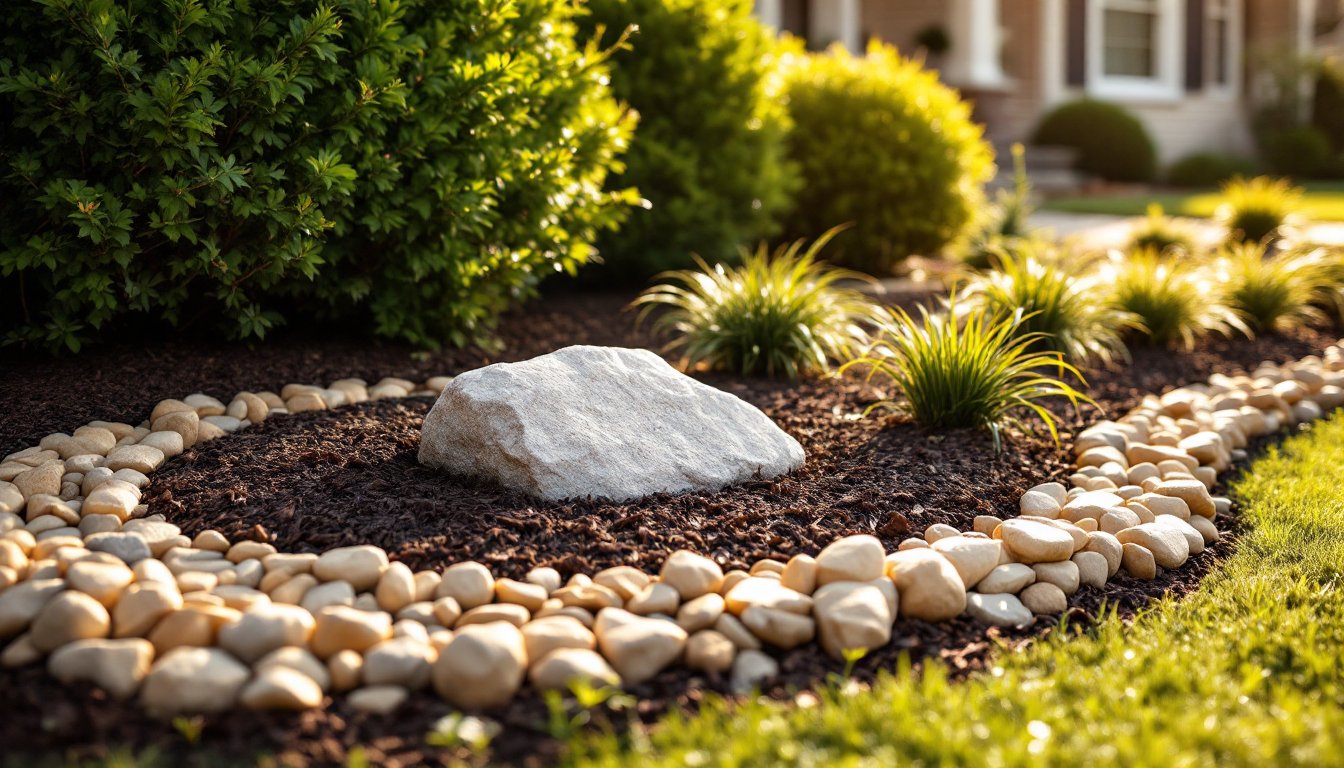
A small front yard doesn’t mean you have to settle for a bland entrance. Rocks and mulch are the workhorses of low-maintenance landscaping, they control weeds, regulate soil moisture, and create visual depth without breaking your budget or eating up your weekends. Whether you’ve got a postage stamp of space or just want something that won’t demand constant upkeep, combining these two materials gives you professional-looking curb appeal that actually stays that way. This guide walks you through practical design ideas, layout strategies, and installation tips to transform your front yard into a polished outdoor space.
Table of Contents
ToggleKey Takeaways
- Small front yard landscaping ideas with rocks and mulch create low-maintenance curb appeal while controlling weeds and retaining soil moisture without constant upkeep.
- Use two complementary rock colors and layer materials strategically—anchor larger stones at borders, transition to medium-sized stones in beds, and add focal points to maximize visual depth in tight spaces.
- Apply mulch in 3–4 inch layers each spring, refresh annually, and pair dark mulch with lighter rock tones (or vice versa) to create contrast and prevent monotonous-looking beds.
- Concentric rings and alternating band patterns—combining rocks and mulch in organized strips—make small yards feel composed and sophisticated without appearing cluttered.
- DIY installation saves hundreds in labor costs; a typical 50-square-foot bed costs $150–285 for materials including mulch, rock, accent stones, and landscape fabric when sourced locally.
Why Rocks And Mulch Are Perfect For Small Front Yards
Rocks and mulch solve the biggest problem small yards face: maximizing visual impact without clutter. Both materials suppress weeds, reducing the time you spend pulling them out of tight spaces. They also retain soil moisture, critical in small beds where plants are closer together and compete for water.
Rocks come in countless colors and sizes, from chunky river rock to fine pea gravel, each with different visual weights. Mulch, whether shredded bark, wood chips, or colored varieties, adds organic texture and breaks down into soil over time, improving plant health. Together, they let you create contrast and layering without needing a massive plant collection.
Small yards also benefit from the permanence factor. Once installed, rocks essentially sit forever. Mulch breaks down and needs refreshing every 1–2 years depending on your climate, but a 3–4 inch layer still outlasts annual flowers or constant replanting. For busy homeowners, that’s a huge win. You’re also avoiding the expense and upkeep of constant lawn maintenance, no mowing a 10×12 patch of grass that won’t grow evenly anyway.
Rock Garden Layouts That Maximize Limited Space
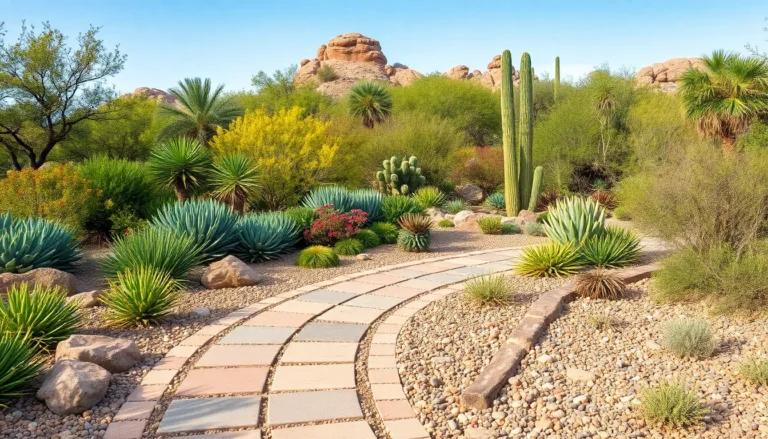
Small yards need strategic rock placement. Start by anchoring corners and foundation edges with larger stones, 2–4 inch river rock or stacked flagstone creates a border that defines the space. These “anchor stones” should follow the natural lines of your hardscape (driveway, path, or house edge).
For the bulk of the rock garden, transition to medium stone sizes (1–2 inches) in the main bed area. This creates visual flow without overwhelming the eye. Avoid dumping rocks in a uniform, flat layer: instead, rake them into shallow patterns or mounds that mimic natural drainage and add subtle dimension.
One common mistake in tight spaces: using too many rock colors. Stick to two complementary tones, say, warm tan with charcoal accents, or gray with rust-colored pea gravel. This restraint makes a small yard feel intentional, not chaotic.
Creating Focal Points With Decorative Stone
Even a tiny front yard needs a visual anchor. A single large statement stone (12–18 inches) placed off-center creates focal depth. You might nestle a small shrub or ornamental grass beside it, or leave it solo as a sculptural element.
Decorative rocks like slate pavers laid as stepping-stone accents or stacked stone features draw the eye upward, making tight spaces feel taller and more layered. A small rock arrangement (2–3 stacked boulders) costs under $50 and instantly adds character. Decomposed granite also works as a filler between larger stones, it compacts slightly, stays put, and drains well.
Mulch Design Strategies For Curb Appeal
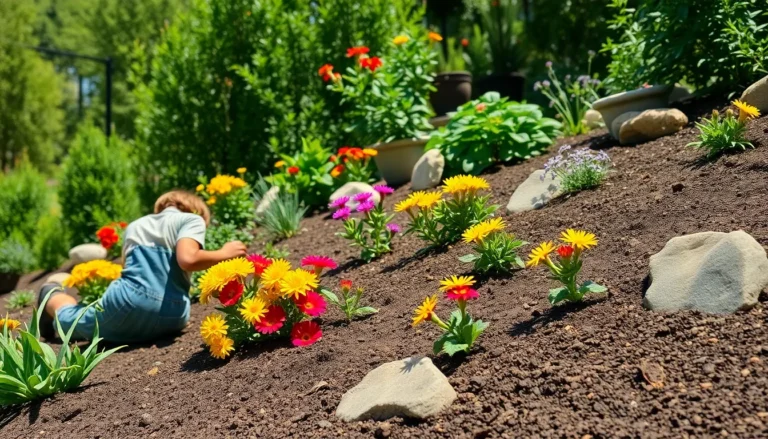
Mulch is the unsung hero of quick curb appeal. A fresh, evenly spread 3–4 inch layer makes plants pop and ties your entire bed together visually. Apply it in a gentle mound around plant bases (keeping it 4–6 inches away from tree trunks and shrub stems to prevent rot), then feather it outward toward your rock edging.
Timing matters. Apply mulch in spring before plants leaf out so coverage is obvious, and refresh it every spring or after heavy rain seasons. A cubic yard covers roughly 100 square feet at 3 inches depth, so measure your beds to avoid ordering too much or too little.
Wood-based mulches break down fastest, enriching soil, ideal if you’ve got plants that love organic matter. Bark mulches last longer and work better in decorative applications where you want consistency. Colored mulches (red, brown, black) pop visually but fade over 6–12 months in strong sun, so budget for top-ups.
Color Options And Texture Combinations
Don’t think of mulch as purely functional. Color choices dramatically shift your yard’s personality. Dark brown or black mulch makes surrounding foliage look greener and works well with modern landscaping. Natural tan bark feels softer and works better with cottage-style or transitional designs.
Mix textures for depth. Finely shredded mulch under shrubs pairs beautifully with larger, chunkier wood chips in open areas. Alternating mulch and rock bands, say, a 2-foot wide mulch strip, then 18 inches of pea gravel, then mulch again, creates visual rhythm in small spaces without feeling busy.
If your climate is dry, lighter mulches (tan, natural) reflect heat and conserve moisture better than dark varieties. In humid regions, darker mulches dry faster, reducing fungal issues. The Spruce’s guides cover regional considerations if you’re unsure about your climate’s mulch best practices.
Combining Rocks And Mulch For Visual Interest
The magic happens when you layer these two materials intentionally. Start with larger rocks as perimeter edging, then introduce mulch in the planting zones, and finish with accent gravel or smaller stone around focal features.
One effective small-yard approach: concentric rings. Place a focal stone in the center, surround it with mulch, then add a ring of smaller decorative rock, another mulch band, and finally larger edging rocks. This technique makes a 3×5 bed feel composed and sophisticated without looking contrived.
Another strategy is banding: create alternating 2–3 foot wide strips of mulch and rock running the length of your bed. This works especially well for foundation plantings along a house or creating the illusion of width in a narrow side yard.
Color pairing matters here. If you choose dark mulch, balance it with lighter rock tones (tan, gray, or white pea gravel). Light mulch pairs well with charcoal or slate accents. The contrast draws attention and prevents your bed from looking monotonous. Front Yard Landscaping guides often show how strategic mulch and rock combinations define planting zones without fencing or hardscape.
Budget-Friendly Installation Tips And Materials
Installing rocks and mulch yourself saves hundreds versus hiring a landscape crew. Start by measuring your bed square footage, length × width. Divide by 100 to get the cubic yards of mulch needed at 3 inches deep. For rocks, calculating is trickier: a general rule is 1 ton of rock covers 150–200 square feet at 2–3 inches depth, depending on stone size.
Material costs (as of 2026, regional variation applies): bulk mulch runs $3–6 per cubic yard picked up locally: bagged mulch costs $5–12 per bag (2 cubic feet). River rock and pea gravel typically cost $40–80 per ton delivered. Decomposed granite is often cheaper, $30–50 per ton. Large decorative stones vary wildly ($10–100+ per stone) but a single focal stone might only cost $20–30 if you shop landscape suppliers rather than garden centers.
Before ordering, call ahead to confirm delivery minimums and drop-off locations. Many suppliers won’t deliver for small jobs, so factor in your time if you’re hauling materials yourself.
Prep work is critical and easy to skip, don’t. Remove old mulch and weeds, compact soil slightly, then lay landscape fabric (4–6 mil thickness) under rocks to prevent them from sinking into soft soil and mixing with weeds underneath. For mulch beds, fabric is optional but recommended if you’re fighting persistent weeds. Cut X-shaped slits where plants go so roots can reach soil.
Tool list: work gloves, sturdy shovel, rake, level (optional but helpful), landscape fabric scissors, wheelbarrow or bucket. A garden hose nearby lets you test drainage after installation.
Installation order: edge first (rocks or border), lay fabric, spread material in layers (alternating if doing bands or rings), compact slightly with the back of your rake, then step back and assess. Mulch Landscaping strategies often emphasize how good prep prevents future headaches, small yards show every shortcut.
Budget example for a typical 50-square-foot small front bed: 15 bags of mulch ($75–150), 2–3 bags of decorative rock ($40–60), 1–2 accent stones ($20–50), landscape fabric ($15–25). Total: roughly $150–285 labor-free. Regional availability and material quality shift that range, but it’s achievable on a modest budget.