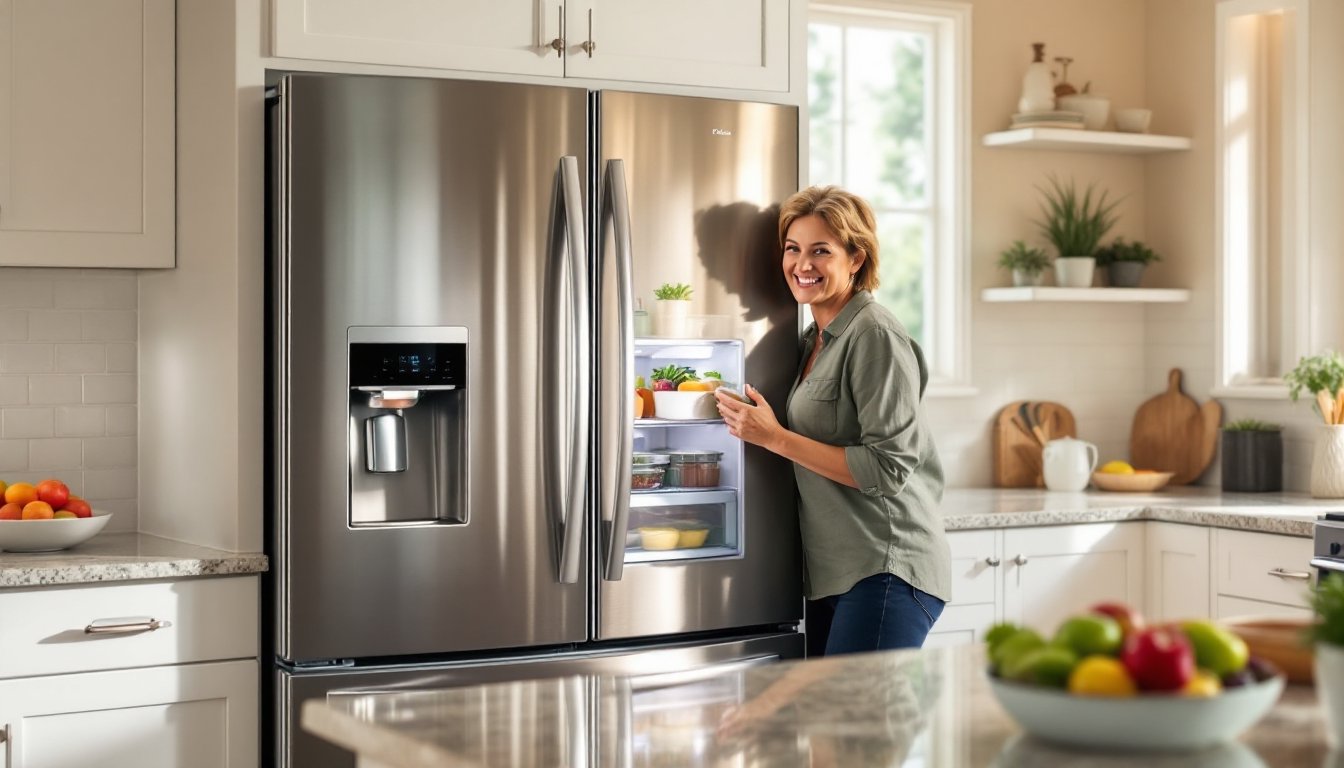
Upgrading to a Frigidaire Professional refrigerator and freezer can transform how you store, organize, and access food in your kitchen. Whether you’re renovating a full kitchen or swapping out an aging fridge, understanding what makes a Frigidaire Professional unit stand out, from cooling performance to storage flexibility, helps you make a confident purchase. This guide walks you through the features, installation considerations, and decision points that matter most when investing in a professional-grade refrigerator for your home.
Table of Contents
ToggleKey Takeaways
- A Frigidaire Professional refrigerator combines commercial-grade durability with residential convenience, featuring multi-zone temperature management that keeps freezers at 0°F and fridges at 35–38°F without constant adjustment.
- Storage capacity of 25–27 cubic feet with adjustable shelving, humidity-controlled crisper drawers, and modular layouts allows you to customize the interior as your household needs change.
- Linear compressor technology in most Frigidaire Professional models delivers stable temperatures with quieter operation and fewer energy spikes compared to traditional on/off compressors.
- Proper installation requires measuring doorways beforehand, leaving 2–3 inches of clearance on each side for air circulation, and allowing the unit to acclimate for 4–6 hours before plugging in to prevent compressor damage.
- Regular maintenance—including checking door seals monthly, cleaning condenser coils twice yearly, and changing water filters every 6 months—keeps your Frigidaire Professional operating efficiently and extends its lifespan to 10+ years.
- Before purchasing, weigh actual needs against optional features like ice and water dispensers or smart connectivity, and factor in installation costs (some models require electrical upgrades in older kitchens) to validate your investment.
Why Choose Frigidaire Professional Appliances for Your Home
Frigidaire Professional units sit at the intersection of commercial-grade reliability and residential convenience. These aren’t contractor-spec appliances designed solely for restaurant kitchens, they’re built with homeowners in mind, combining durability with features that fit real life.
One key appeal is consistent cooling performance. Frigidaire Professional models use multi-zone temperature management, ensuring your freezer stays at a solid 0°F while your fridge hovers around 35–38°F without requiring constant adjustment. This reduces food spoilage and keeps perishables fresher longer.
Durability matters, too. The stainless steel construction on most Frigidaire Professional units resists fingerprints and resists corrosion better than standard finishes. If you’re planning a kitchen that’ll see real use, kids, pets, frequent cooking, that durability translates to a unit that’ll still look sharp in five years.
Flexibility in storage layout is another draw. Many homeowners find that adjustable shelving, adjustable door bins, and modular crisper drawers let them adapt the interior as their needs change. Unlike budget models with fixed shelving, you’re not locked into one configuration.
Key Features and Specifications That Matter
When shopping for a Frigidaire Professional refrigerator and freezer, a few specs separate models worth the investment from ones you’ll regret in two years.
Storage Capacity and Layout Options
Capacity matters, but numbers alone don’t tell the story. A 25–27 cubic foot Frigidaire Professional typically offers roughly 16–18 cubic feet of fridge space and 7–9 cubic feet of freezer space. That extra volume compared to standard units isn’t just bragging rights, it means fewer weekly shopping trips and more flexibility for batch cooking or holiday hosting.
What makes storage useful is layout. Look for units with adjustable glass shelves (easier to clean than wire shelving and better for preventing spills from dripping to lower shelves), humidity-controlled crisper drawers, and door bins with adjustable heights. If you store tall bottles or odd-shaped containers often, the ability to slide shelves or reposition bins matters more than it sounds.
Ice and water dispensers built into the door add convenience but eat into usable fridge space, typically 2–3 cubic feet. Decide if that trade-off makes sense for your household. If you rarely use ice dispensers, a simpler model without one gives you more storage.
Cooling Technology and Temperature Control
Frigidaire Professional models typically use linear compressor technology, which adjusts cooling output in smaller increments than traditional on/off compressors. The benefit? More stable temperatures with fewer energy spikes and quieter operation, a real win if your kitchen is open to living spaces.
Temperature control is usually either mechanical dials or digital touch controls. Digital controls are more precise but also more prone to electronic failures over time. Mechanical controls are simpler and more forgiving, though less granular. Either works fine: choose based on your comfort with appliance tech.
Many Frigidaire Professional units include fast-chill or quick-freeze modes that spike cooling for a short period, useful after loading groceries or when you need ice quickly. Some also have sabbath mode for religious observances, where automatic ice makers and lights cycle differently.
Installation, Setup, and Maintenance Tips
Installing a new refrigerator isn’t a DIY move in the traditional sense, you’re not framing or wiring. But proper placement and setup directly affect performance and longevity.
Delivery and positioning: The delivery crew will move the unit into your kitchen, but confirm the space is clear. Measure doorways and hallways beforehand: a 36-inch-wide refrigerator might not fit through a standard door without removing hinges. Leave 2–3 inches of clearance on each side and the top for air circulation. Back against the wall is fine, but don’t cram it into a tight corner where warm air gets trapped.
Temperature acclimation: After delivery, let the fridge sit unplugged for 4–6 hours before plugging it in. This allows refrigerant to settle and prevents compressor damage if it was jostled during transport. Seriously, skipping this step voids some warranties.
Initial cleaning and settings: Wipe down interior surfaces with warm water and mild soap. Don’t use bleach or harsh cleaners on the interior coatings. Once plugged in, run on max cooling for 2 hours before adding food: this pre-cools the unit and stabilizes internal temperature.
Ongoing maintenance is minimal but critical. Check the door seals (gaskets) every few months by sliding a dollar bill between the seal and frame, it should catch slightly without sliding out. Dirty or damaged seals make the compressor work harder and raise energy costs. Clean the condenser coils on the back or bottom twice yearly using a coil brush or soft vacuum attachment. Dust buildup here is one of the biggest performance killers.
Water filters, if your unit has an ice maker or water dispenser, need changing every 6 months or per the manufacturer’s schedule. Clogged filters slow water flow and affect ice quality.
Making Your Purchase Decision
Before committing to a Frigidaire Professional model, clarify what you actually need versus what’s nice-to-have.
Budget reality check: Frigidaire Professional units run $1,200–$2,500 depending on capacity, finish, and features. That’s a serious chunk of change. If your current fridge works but is aging, calculate how much you’re spending on repairs and energy overages, sometimes upgrading breaks even faster than you’d expect. Resources like Good Housekeeping’s appliance reviews offer tested comparisons that help validate your choice.
Feature prioritization: Do you need built-in ice and water, or would you rather maximize freezer space? Will smart connectivity (some models connect to your phone to monitor temperatures or alert you to open doors) actually get used, or is it a gimmick you’re paying for? Be ruthless here.
Kitchen layout constraints: Measure your space triple, width, depth (especially from counter to wall), and height from floor to cabinets. Confirm electrical outlet access and whether you need a new circuit. Some Frigidaire Professional models draw 700+ watts, which older kitchens may not support without an electrician’s help. That’s a cost to factor in.
Warranty and service: Frigidaire Professional typically offers a 1-year parts and labor warranty with optional extended coverage. Check whether parts are readily available in your area and if local service providers know these units well. Specialized appliances in rural areas sometimes have longer repair wait times.
Talk to neighbors, browse kitchen appliance reviews on The Kitchn, and read owner reviews specifically about reliability and service experiences. Horror stories about dead compressors or ice-maker failures matter more than glossy marketing.
Conclusion
A Frigidaire Professional refrigerator and freezer is a long-term investment in kitchen function and food preservation. Take time to match the model to your actual needs, plan installation carefully, and commit to basic maintenance. A well-chosen unit will serve your household for 10+ years and make meal prep, grocery storage, and daily kitchen life noticeably easier.