Above-ground pools have become the smart homeowner’s answer to backyard fun without the $50,000+ price tag of an in-ground installation. But once that pool is up, the real creativity begins. A bare above-ground pool sitting on dead grass isn’t exactly a backyard retreat, it’s a stark reminder you skipped the landscaping budget. The good news? You don’t need one. From decking and greenery to lighting and storage solutions, there are plenty of ways to transform your small backyard above ground pool into an inviting oasis. These 13 ideas focus on budget-conscious upgrades that actually work, with practical materials and DIY-friendly approaches that won’t require a second mortgage.
Table of Contents
ToggleKey Takeaways
- Above-ground pools offer an affordable backyard solution compared to $50,000+ in-ground installations, requiring strategic landscaping and design to create an inviting oasis.
- Choose the right pool size by measuring your space carefully: a 15′ x 9′ oval fits most suburban yards, while 12′ round pools work better for tight spaces, and always verify local setback requirements (typically 5–10 feet from property lines).
- Invest in quality decking with pressure-treated lumber ($8–15 per sq ft) or composite materials ($20–30 per sq ft) on adjustable concrete piers to prevent rot and create functional poolside space.
- Frame your backyard above ground pool with layered landscaping using ornamental grasses, dwarf shrubs, and perennials in a 2–3-foot buffer zone to transform the pool area without blocking views or damaging vinyl.
- Enhance ambiance and function with budget-friendly additions like solar pathway lights, low-voltage LED strips ($100–200), storage solutions ($75–300), and shade features that extend pool season into the evening.
- Start with visible elements like decking and landscaping, then layer in comfort features like lighting, storage, and shade to create a polished, intentional retreat that gets regular use and enjoyment.
Choosing the Right Pool Size and Shape for Your Space
Before you buy or set up a pool, measure twice and commit once. Space planning makes or breaks the whole project. A standard 15′ x 9′ oval pool (roughly 6,500 gallons) fits most suburban backyards, while a 12′ round pool (about 3,400 gallons) works for tighter yards. Know the difference between nominal size (advertised) and actual interior dimensions, a 15′ pool might be closer to 14’6″ once the walls are set up.
Shape matters for landscape flow. Oval pools feel more integrated into rectangular yards and create better space on the sides for decking. Round pools work well as a focal point in open yards. Consider foot traffic patterns around your pool, you’ll need at least 3 feet of clear space on all sides for circulation and maintenance access, and local codes often require even more clearance. Before finalizing size, check setback requirements with your local building department: most residential zones require pools to be 5–10 feet from property lines. A smaller pool that fits your space legally is better than fighting citations later.
Decking and Surround Options to Elevate Your Pool Area
Wood and Composite Deck Materials
Deck material sets the tone for the entire pool area. Pressure-treated lumber (typically 2×6 joists at 16″ on-center) is the most affordable route and runs about $8–15 per square foot installed. Sand or stain it, and it looks intentional. The catch: it needs re-sealing every 2–3 years. Composite materials like Trex or TimberTech cost more upfront ($20–30 per square foot) but skip the ongoing maintenance, perfect if you’d rather spend weekends in the pool, not repainting.
Build your deck on adjustable concrete piers or ground posts rather than directly on soil: this prevents rot and keeps the frame clear of moisture. Boards should slope very slightly (1/8″ per foot) toward drainage points to avoid puddling. For small backyard above ground pool areas, even a 4×8-foot deck platform on three sides gives you poolside space to dry off, set towels, and organize floats without looking cluttered.
Pavers and Concrete Solutions
Concrete is the workhorse option: durable, level, and honest. A 4-inch poured slab around the pool base runs about $6–10 per square foot and handles foot traffic without flinching. Add a decorative broom finish (swept while wet) for slip resistance and visual interest. If you pour yourself, rent a concrete mixer and have helpers, it’s heavy and time-sensitive once mixed.
Permeable pavers let water drain through, which avoids puddles and looks cleaner than solid concrete. Paver installation around pools requires a solid base: 4 inches of compacted gravel, 1 inch of sand, then the pavers. Costs run $10–20 per square foot installed, but they’re modular, you can expand later. Both concrete and pavers pair well with landscaping to soften hard lines.
Landscaping and Greenery to Frame Your Pool
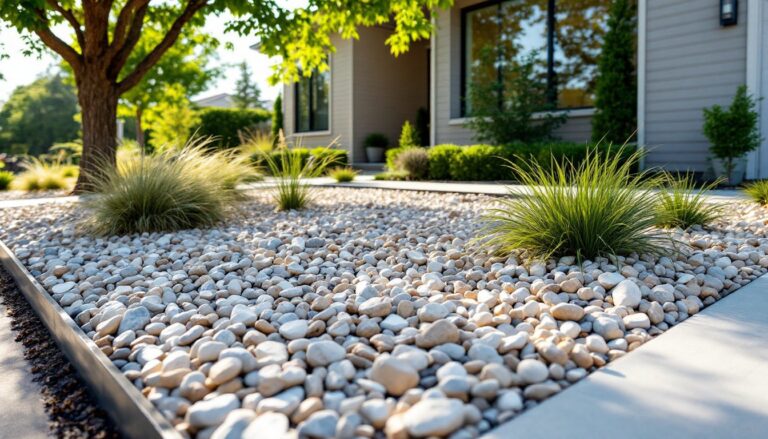
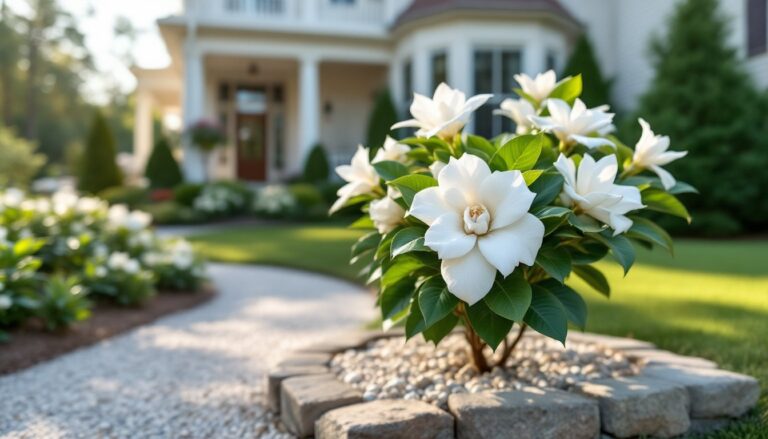
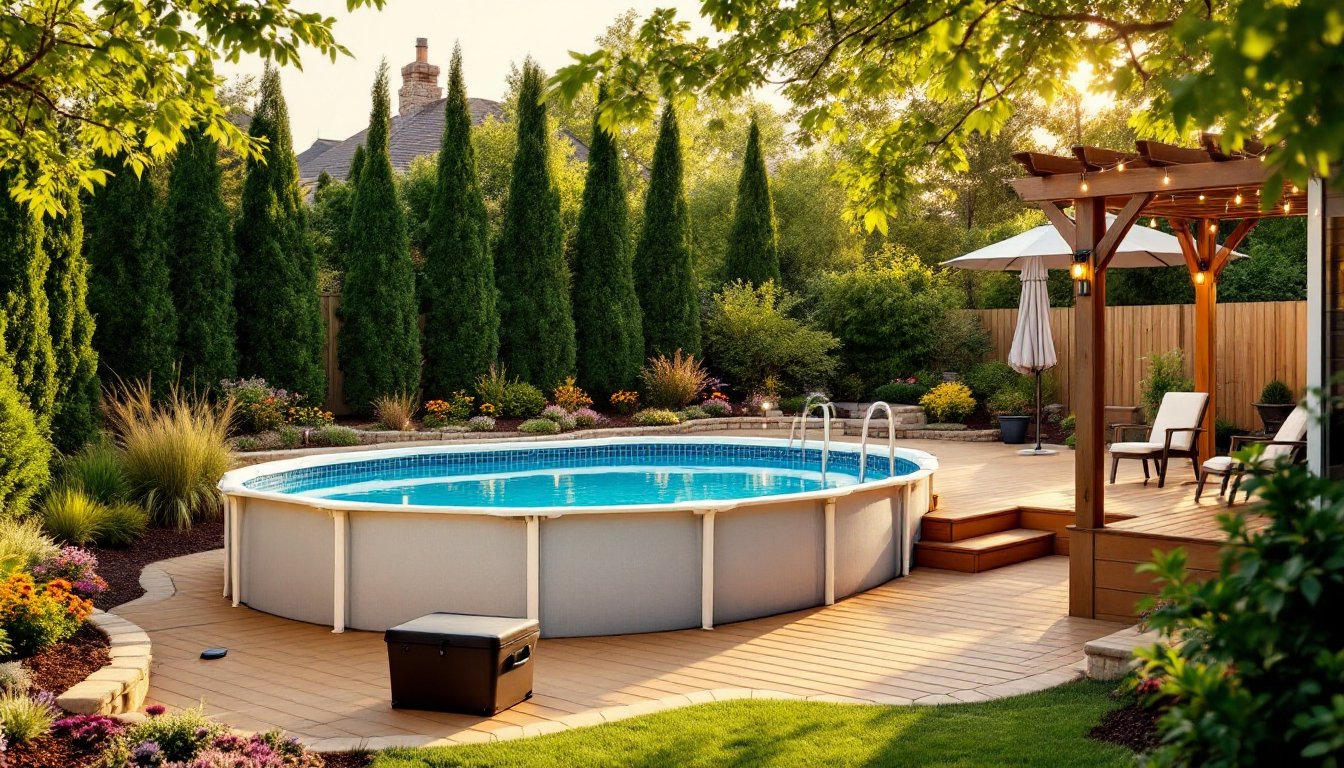
Greenery transforms a utilitarian plastic ring into a backyard destination. Don’t plant directly against the pool wall, root systems can puncture vinyl, and shade blocks chlorine circulation. Instead, create a 2–3-foot buffer zone with ornamental grasses, dwarf shrubs, or perennials that thrive in your climate zone.
Fast-growing, low-maintenance plants work best for small spaces. Ornamental grasses like muhly or maiden grass (3–4 feet tall) provide height without blocking views. Dwarf conifers, think emerald green arborvitaes or dwarf Alberta spruce, add year-round structure and cost $15–40 per plant. Flowering perennials like coneflowers, black-eyed Susans, or salvia bloom for months and attract pollinators without fussiness.
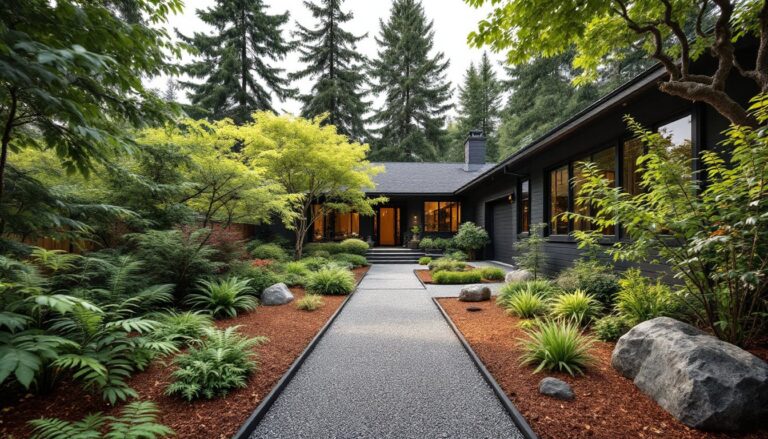
When planning small backyard above ground pool landscaping, use layers: tall plants at the back, medium shrubs in the middle, and low groundcover or flowers at the edge. This creates depth and frames the water without making the yard feel cramped. Mulch beds keep weeds down and look intentional: use 2–3 inches of wood mulch or shredded bark. Keep chlorine splash zones in mind, some plants are chlorine-sensitive, so a quick rinse with the hose after pool time prevents damage.
Consider adding a screen or privacy planting on one or two sides if your yard backs to a neighbor’s. A simple trellis with climbing vines (clematis, jasmine, or honeysuckle) costs under $100 and gives you a living wall that softens the pool’s industrial feel. Southern Living offers excellent garden plans and regional design inspiration that work well for warm-weather pool settings.
Lighting and Ambiance Features
Lighting extends pool season into the evening and transforms a recreational space into entertainment real estate. Solar pathway lights ($1–3 each) are the easiest, cheapest upgrade: stick them along deck edges and around landscaping for safety and soft definition. They charge by day, glow by night, and require zero wiring.
Underwater LED pool lights are more involved but worth it. Battery-powered floating lights (around $20–50) cast color and create atmosphere without electrical work, they’re truly plug-and-play. If you’re comfortable with low-voltage wiring, string 12-volt LED strip lights around the pool perimeter (buried in the deck or mounted on posts). These run about $100–200 for materials and give restaurant-quality ambiance. Never use standard 120-volt lights near water: always use low-voltage (12V) or solar options to avoid shock hazard.
Add string lights or bistro lights overhead (on a pergola or between posts) for another $30–60. Warm white bulbs feel inviting: color-changing LEDs feel gimmicky unless you’re hosting parties. Solar-powered string lights are a happy middle ground. When planning lighting, consider your neighbors: bright spillover can be annoying. Angle fixtures downward and toward your space, not theirs.
Budget-Friendly Upgrades and Accessories
The finishing touches often cost the least but change how the space feels and functions. A pool skimmer basket ($20–40) keeps debris out and saves you chlorine money long-term. A solar pool cover ($40–80) reduces evaporation by 95% and keeps the water warmer, practically mandatory in any climate. Pool steps with handrails ($80–200) are safer and more dignified than climbing over the wall.
Storage is underrated. A weatherproof deck box ($100–300) keeps floats, toys, and chemicals organized and out of sight. If budget is tight, build a simple wooden storage bench (2×10 boards, hinged top, basic 1×4 frame) for under $75 in materials. This doubles as seating and keeps your pool area looking intentional rather than cluttered with inflatable flamingos and tubes.
Consider painting or wrapping your pool wall if the original finish looks tired. A DIY above-ground pool makeover can be done with pool-safe paint or vinyl wraps designed for metal pools, costing $100–300 and making a huge visual impact. According to renovation cost guides, small aesthetic upgrades like these deliver outsized perceived value.
Finally, add a simple shade solution: a patio umbrella ($40–80), a shade sail ($50–150), or a pergola ($300–800 DIY). 20% of pool time is often spent waiting to cool off in the shade. A dedicated shaded seating area next to the pool makes afternoon use comfortable even in hot climates. These details transform a pool from a novelty into a year-round living space.
Wrapping Up Your Pool Oasis
Creating a polished backyard above ground pool area on a modest budget comes down to priorities: solid decking, strategic greenery, and subtle lighting beat fancy accessories every time. Start with what’s visible (size, deck, landscaping), then layer in comfort features (shade, storage, lighting) as time and budget allow. Your goal isn’t a resort, it’s a functional, attractive retreat that gets used and enjoyed. With these 13 ideas as your foundation, you’ll have a backyard that looks intentional, feels welcoming, and won’t expensive.