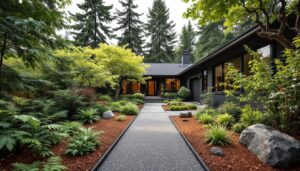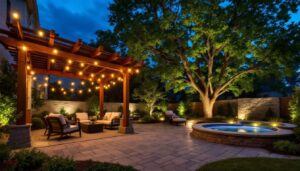
A front yard island is one of the simplest ways to add visual interest, define your landscape, and boost curb appeal without a complete overhaul. Instead of a flat expanse of grass or mulch, an island creates a focal point that draws the eye and breaks up the monotony. Whether you’re working with a small suburban lot or a sprawling property, a well-designed island landscaping idea can completely transform how your home looks from the street. The key is balancing hardscape materials, plant selection, and thoughtful accents to create something that looks intentional, not like plants were just dropped in a random spot.
Table of Contents
ToggleKey Takeaways
- Front yard island landscaping ideas create visual focal points that break up flat landscapes and instantly boost curb appeal by directing the eye and signaling intentional design to visitors.
- Layer plants from tallest to shortest using a pyramid structure—place a specimen shrub or small tree in the center or back, mid-sized shrubs for bulk, and groundcovers in front to maximize visual impact and depth.
- Native plants are the smart choice for islands; they thrive in your climate, require less water and maintenance, support local pollinators, and often cost less than exotic species.
- Hardscape materials like mulch, pavers, or stone edging form the bones of your island, with a 3–4-inch mulch layer being a budget-friendly option that lasts 12–18 months and keeps weeds under control.
- Focal point plants such as ornamental trees, sculptural shrubs, or drought-tolerant grasses become the hero element of your island and should offer multiple seasons of interest through flowers, foliage, color, and form.
- Lighting and small accents like solar pathway lights, uplighting, stepping stones, or a recirculating fountain transform your front yard island from a day feature into a polished, sophisticated landscape that stands out from the street.
Why Front Yard Islands Transform Your Curb Appeal
Front yard islands work because they create visual hierarchy and make your landscape feel designed rather than accidental. A well-placed island gives the eye a place to rest and immediately signals to visitors that you’ve invested thought into your outdoor space. They also serve a practical purpose: islands can hide utility boxes, define planting zones, soften hard edges around your foundation, and create layering depth that makes small yards feel larger.
The transformation happens because islands interrupt the horizontal plane. Instead of scanning one flat area, a visitor’s eye moves from the road to the island, then to your home. That journey makes your property feel more intentional and polished. Islands are also forgiving, you don’t need perfect, manicured beds or expensive hardscape everywhere. An island concentrates your effort and budget where it matters most.
Another benefit: islands protect plants from foot traffic and pet damage. By defining a clear boundary with hardscape or edging, you’re telling people “this is the garden zone,” which keeps wear and tear away from your most cherished plantings. Front Yard Landscaping success often comes down to layering simple elements like this.
Hardscape Island Designs With Stone and Pavers
The bones of your island start with hardscape, the non-plant materials that define its shape and contain your plantings. Mulch is the budget-friendly classic: a 3–4-inch layer of shredded hardwood or cedar mulch keeps weeds down and looks crisp for 12–18 months before needing refresh. For a more permanent look, consider landscape edging: corrugated plastic, steel, or composite materials hold soil in place and create a clean line between island and lawn.
If you want something with more visual weight, pavers or stone elevate the design. A simple circular or curved border of 6×6-inch concrete pavers costs roughly $2–$4 per paver (regional variation applies) and creates a polished edge. For a rustic feel, flagstone or locally sourced stone works beautifully, though expect higher cost and the need for a tamped base layer.
Permeable paving materials are increasingly popular: porous pavers or gravel allow water to drain while reducing runoff, which aligns with sustainable landscape design principles outlined in hardscaping guides. The scale matters, a small island needs delicate edging, while a large island can handle bold stone.
Prep is critical. Clear existing turf, level the ground, and compact the soil. If using pavers, a 1–2-inch sand base prevents settling. Measure twice, because once you’ve laid edging, moving it costs time and frustration.
Planting Combinations That Define Your Island Shape
The shape of your island should match your home’s architecture and landscape style. Curved, kidney-shaped islands feel softer and more organic, they work well in traditional neighborhoods and complement curved walkways or patios. Angular, geometric islands suit modern homes and clean-lined landscapes. The rule: whatever shape you choose, commit to it. Half-hearted curves read as accidental.
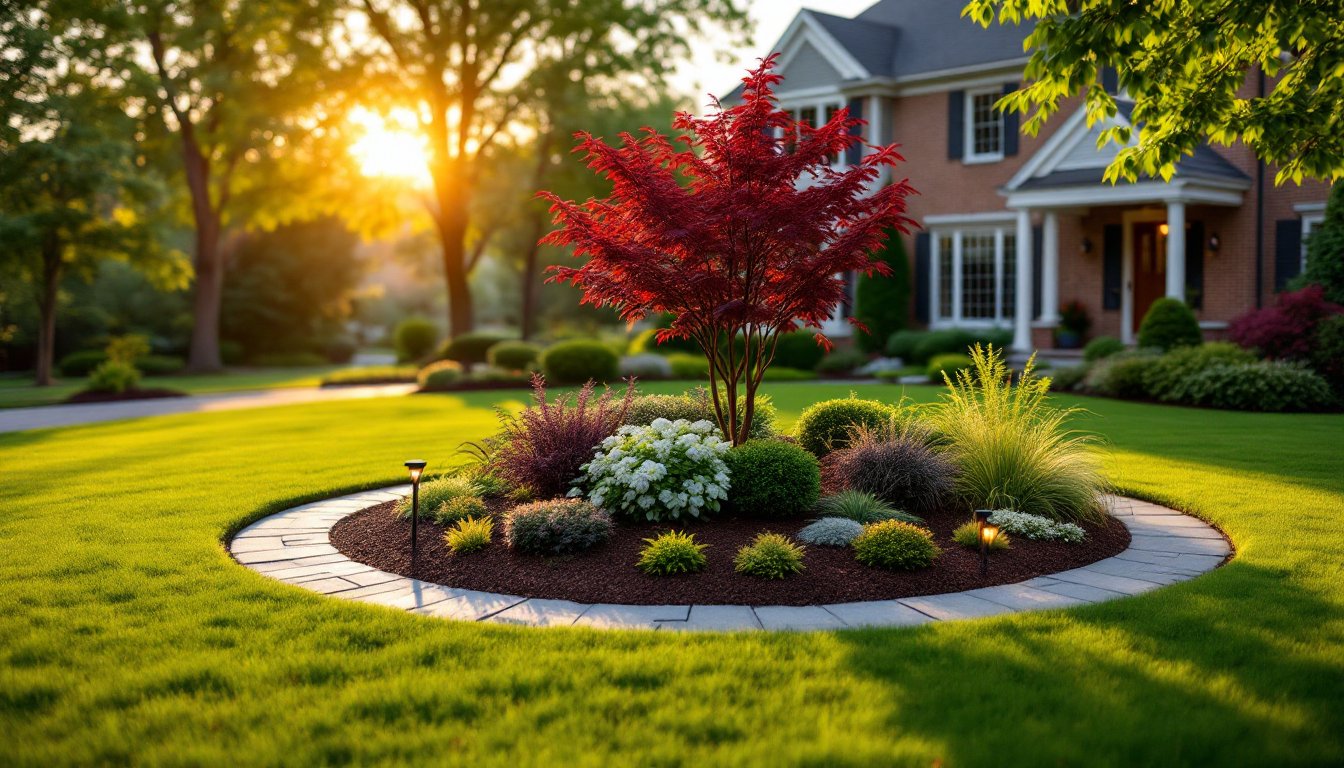
Layer your plants from tallest to shortest: specimen shrub or small tree in the center or back, mid-sized shrubs for bulk, and groundcovers or perennials up front. This pyramid structure shows off each plant and maximizes visual impact. A 4–5-foot boxwood or dwarf serviceberry, backed by 2–3-foot spireas or lindens, with 12–18-inch sedums or ornamental grasses in front creates depth and year-round structure.
Spacing matters: plant centers should be roughly half their mature width apart. A shrub that reaches 4 feet wide needs about 2 feet of space from its neighbor. Tight spacing looks lush sooner, but plants can outgrow their space: loose spacing looks sparse initially but allows room to grow. There’s no perfect answer, it depends on your patience and budget.
Low-Maintenance Native Plants for Year-Round Interest
Native plants thrive in your climate, require less water, and support local pollinators. Check your region’s native plant society for species recommendations. In the Northeast, serviceberry, viburnum, and black-eyed Susan deliver spring blooms and fall color. In the South, beautyberry, coreopsis, and switchgrass handle heat and humidity. In the West, ceanothus, buckwheat, and desert marigold flourish in drier conditions.
The appeal isn’t just aesthetic, native plantings often cost less than exotic specimens and rarely need fertilizer or pest treatments. They’re also naturally suited to your soil and water availability, meaning lower maintenance. Add a 2–3-inch mulch layer, water weekly for the first two growing seasons, and most natives will establish themselves.
Focal Points: Trees, Shrubs, and Ornamental Grasses
Every island needs a hero plant, something that catches the eye and commands attention. A small ornamental tree like a Japanese maple, crabapple, or redbud works beautifully in moderate climates. Choose a species that offers multiple seasons of interest: spring flowers, summer foliage, fall color, and winter branch structure.
If you don’t have room for a tree, a sculptural shrub does the job. Panicle hydrangeas grow 6–8 feet tall and put on a spectacular show in late summer with massive flower panicles. Oakleaf hydrangeas offer similar drama with interesting lobed foliage. Compact dwarf conifers like blue spruce cultivars or Hinoki cypress provide year-round color and form.
Ornamental grasses have become the MVPs of modern landscaping. Miscanthus, panicum, and Russian sage add movement and texture without demanding much. They’re drought-tolerant once established, require minimal maintenance (a spring cutback is all), and look striking from fall through winter when everything else fades. A mature grass specimen can reach 4–6 feet tall and becomes a sculptural element in its own right.
Combine your focal point with supporting players: smaller shrubs or perennials that echo its color or form. If your tree has burgundy foliage, echo that with Japanese pieris or dwarf burgundy barberry. If your grass is golden, pair it with rudbeckia or black-eyed Susans. Repetition creates coherence.
Lighting and Accents to Highlight Your Island
Lighting transforms an island from day feature to night statement. Solar pathway lights (roughly $10–$20 per light) line the island’s edge and guide feet while creating visual definition after dark. Uplighting beneath a focal tree, a single warm-white LED spotlight ($30–$60), silhouettes foliage beautifully and adds dimension. For accent, consider a small stone lantern or garden sphere nestled among plantings: these create focal points within the focal point.
A low-voltage landscape lighting system offers more control and a polished look, though installation requires a licensed electrician in some jurisdictions (check local codes). The cost runs $500–$1,500 for a complete system with transformer, wiring, and multiple lights, but the result is theatrical and professional.
Small hardscape accents add personality without clutter. A flat stepping stone path through the island creates intrigue and functionality. A small raised planter or accent urn breaks up dense planting. Garden sculptures or rock arrangements reflect your style, but restraint is key, one or two well-placed pieces beat a crowded garden center look.
Water features whisper sophistication. A small recirculating fountain or birdbath serves double duty as décor and wildlife attraction. These don’t require plumbing if you choose a standalone recirculating model, just a buried electrical line (check NEC standards for outdoor wiring). Water adds sound and movement, making your island feel alive. Check regional water conservation guidelines before installing: some areas restrict ornamental water use during drought seasons.
Conclusion
A front yard island distills landscape design into its essence: shape, material, plants, and light working together. You don’t need a massive budget or professional help to pull one off. Start with a clear shape, invest in good soil and mulch, choose a focal point plant, and layer in supporting plantings. Once the structure is solid, lighting and small accents punch up the final design. The result is a landscape feature that feels intentional, boosts curb appeal, and makes your home stand out from the street. Whether your style leans modern and minimalist or lush and layered, an island landscaping idea scales to fit. Measure carefully, prep the soil properly, and don’t rush the planting, those foundational steps separate a professional-looking island from something that looks accidentally planted.