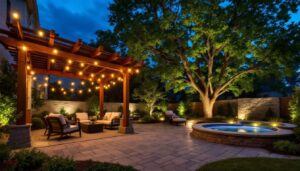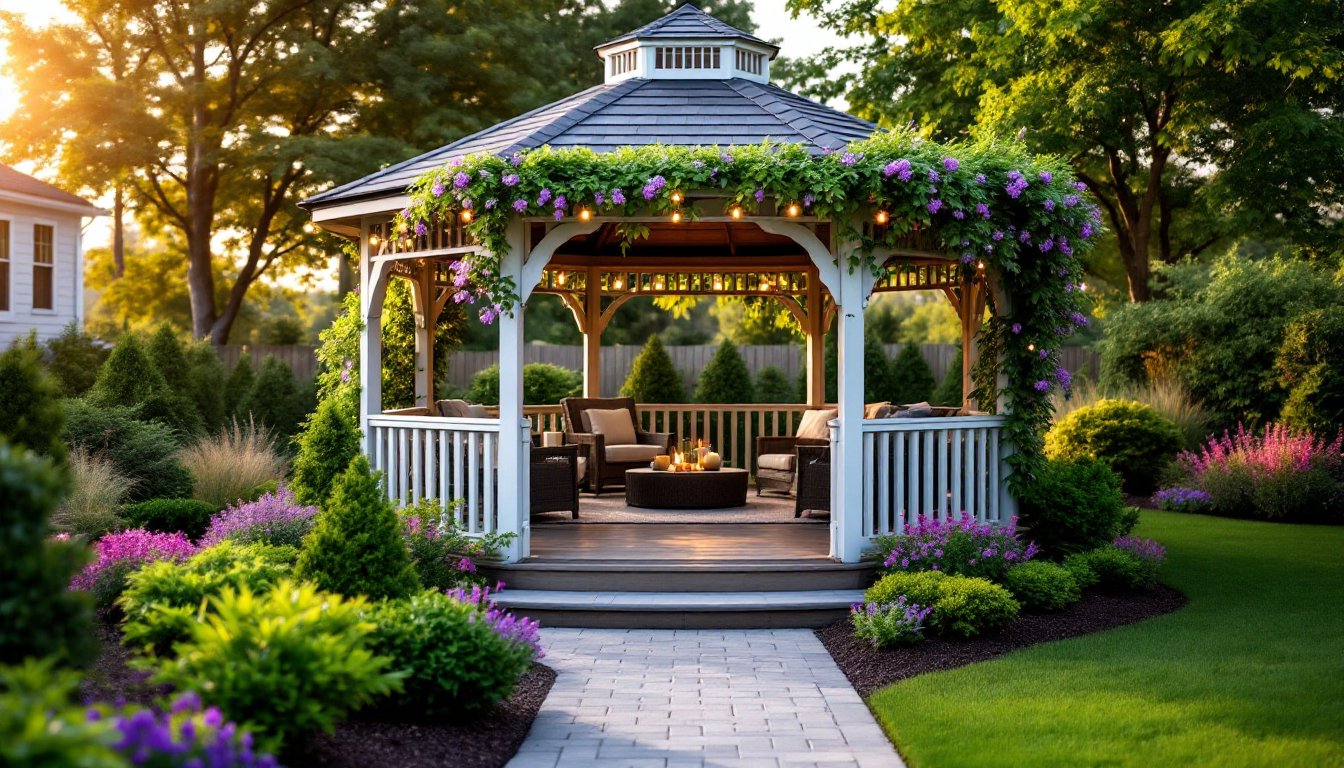
A gazebo transforms a blank backyard into an outdoor living room, but the structure alone isn’t enough. The landscaping around it makes the real difference between a structure that sits awkwardly in the yard and an inviting retreat that draws your family and friends outside. In 2026, smart gazebo landscaping combines function with aesthetics: strategic plant placement screens views, climbing vines add shade and privacy, hardscape elements define the space, and lighting extends usability into the evening. Whether your gazebo is brand new or you’re refreshing an existing setup, the right landscaping choices elevate your entire outdoor experience without requiring a landscape architect’s budget.
Table of Contents
ToggleKey Takeaways
- Backyard gazebo landscaping relies on tiered plant positioning—low groundcovers near the base, mid-height perennials in the middle, and taller specimens at edges—to create visual depth and frame the structure.
- Climbing vines like clematis, trumpet vine, and climbing hydrangea add privacy and shade to gazebos when installed on sturdy trellises and positioned 12–18 inches from the gazebo base for proper air circulation.
- Layered lighting using warm white (2700K) for seating areas and cool white (5000K) for specimen plants transforms a gazebo into a functional evening destination without harsh shadows.
- Permeable paver pathways and hardscape patio aprons prevent mud and create intentional transitions between your house and gazebo landscaping while requiring minimal maintenance.
- A cohesive seasonal color scheme using three colors maximum—dominant foliage, primary flower color, and one accent—prevents cluttered aesthetics and ensures year-round visual interest.
- Thoughtful furniture placement facing garden views and an anchoring outdoor rug turn a gazebo into an inviting outdoor living room that naturally draws family and friends outside.
Foundation Plants and Ground-Level Design
The ground-level planting around your gazebo creates the foundation, literally and visually, for everything else. Start by assessing your gazebo’s footprint and the surrounding soil conditions. Most gazebos benefit from a 4- to 6-foot planting buffer that frames the perimeter without crowding the structure.
Choose plants in tiers: low-growing groundcovers or shrubs closest to the gazebo base (12–18 inches tall), mid-height perennials or small shrubs in the middle ring (2–3 feet), and taller specimen plants at the edges (4–6 feet). This creates visual depth and prevents the gazebo from sitting on a flat, boring lawn. Boxwood, butterfly bush, and dwarf conifers work well for structured looks. If you prefer softer, cottage-style framing, coreopsis, black-eyed Susan, and salvia add color and movement.
Ground prep matters more than plant choice. Amend soil with 2–3 inches of compost before planting. Space plants according to their mature width, check the tag, so you’re not replanting in two years when they’re crowded. Lay down 2–3 inches of mulch (shredded hardwood, not dyed bark) to retain moisture and suppress weeds. This step saves hours of maintenance later. Water newly planted specimens deeply twice weekly for the first month, then taper to once weekly during the growing season. Most landscape failures come from underwatering during establishment, not plant choice.
Climbing Vines and Vertical Greenery
Vertical planting is where gazebo landscaping gets interesting. Vines trained up posts or along railings add privacy, shade, and architectural interest without consuming ground space. Choose vines based on your climate, sun exposure, and maintenance tolerance.
Clematis and climbing hydrangea thrive in partial shade and flower beautifully. Trumpet vine and hops grow vigorously in sun and deliver quick coverage. For warmth zones, Clematis and bougainvillea pack dense foliage and color. Install a sturdy trellis or wire system before planting, vines need something to grab onto. Heavy, mature vines like climbing hydrangea (which can reach 40+ pounds when established) require secured posts, not flimsy bamboo stakes.
Plant vines 12–18 inches away from the gazebo’s base, not right at the post. This leaves room for air circulation and makes maintenance easier. As they grow, train stems horizontally where possible: this encourages more lateral branching and denser coverage than vertical stems alone. Prune annually after flowering to shape growth and prevent the vine from engulfing your gazebo roof or blocking sightlines. Consider deciduous vines in cold climates for winter sun exposure: evergreen vines in milder zones for year-round screening. Research and front yard landscaping strategies often apply to vertical elements, teaching spatial layering that works equally well in backyard contexts.
Lighting and Ambiance Elements
Evening lighting transforms a gazebo from a daytime shelter into a nighttime destination. The key is layering light sources, not overdoing brightness. Start with ambient lighting, string lights or soft overhead fixtures that don’t cast harsh shadows. Solar string lights (20–30 watts per bulb) provide ambiance without running electrical wire. For permanent installations, low-voltage LED path lights or spotlights mounted on posts create functional illumination while staying energy-efficient.
Plant lighting works double duty: uplighting techniques illuminate tree canopies or specimen plants, creating visual interest while providing indirect light for the gazebo itself. Backlight plantings to create silhouettes and depth perception. Avoid pointing lights directly into the seating area, this causes glare and makes it harder to see into the surrounding yard. If you’re hardwiring landscape lighting, hire a licensed electrician for the main feed: low-voltage installations (12V or solar) are DIY-friendly after that. Bury cable at least 6 inches deep where foot traffic occurs, 4 inches in planted beds.
Layering also means using different color temperatures. Warm white (2700K) lights feel cozy and social: cool white (5000K) emphasizes plant detail. Mix them for best results: warm around seating areas, cooler tones on specimen plants. On the spruce, comprehensive guides on garden lighting detail how dimmers extend usability and mood control.
Creating Pathways and Hardscaping Around Your Gazebo
Access paths are functional landscaping elements that deserve attention. The route from your house or patio to the gazebo should feel intentional, not afterthought. A 3- to 4-foot-wide permeable paver path or stepping-stone walkway works well for most yards without the permanence of poured concrete.
Permeable pavers (porcelain, composite, or stone) allow water drainage and settle into existing grade without edging problems. Lay landscape fabric underneath, add 2 inches of compacted stone base, set pavers 1/8-inch apart, then sweep polymeric sand into joints. This technique takes a weekend and costs less than concrete while looking intentional. Stepping stones scattered through planted beds create a casual, less formal path. Space them 18 inches apart (comfortable walking stride) and level each stone so you’re not ankle-twisting across the garden.
Expand the hardscape where the gazebo meets the path. A 4 × 4-foot paver patio apron around the gazebo entrance creates transition space and mud prevention. Edge the pathways with metal or plastic landscape edging (1/8-inch thick is standard) to prevent grass creep. Install it just below soil level so your mower passes over cleanly. Consider local codes if your gazebo requires a foundation or requires any hardscape work to be permitted, residential structures sometimes need inspectors’ sign-off on site prep and drainage.
Color Schemes and Seasonal Plant Selections
A cohesive color scheme prevents the gazebo landscape from looking chaotic. Choose a primary palette, cool tones (purples, blues, whites) or warm tones (oranges, reds, yellows), and stick to it. Most successful designs use three colors maximum: one dominant foliage color (greens and silvers), one primary flower color, and one accent.
Spring plantings might feature tulips, peonies, and hellebores backed by Japanese maple foliage. Summer calls for hydrangeas, zinnias, and dahlias with lavender edges. Fall relies on ornamental grasses, asters, and mums with Japanese maple turning red. Winter interest comes from evergreen structures, red-twig dogwood, and ornamental grass seed heads that catch frost.
Rotate annual color, impatiens or begonias for shade, marigolds or celosia for sun, each season. Annuals fill gaps while perennials establish, and they’re budget-friendly. Buy plugs (small transplants) in spring rather than mature plants: they cost less and fill space quickly. Resources like gardenista showcase seasonal planting schemes that adapt to different regions and color preferences. On southern living, regional growing guides detail which plants thrive in specific zones and climate conditions.
Furniture Placement and Outdoor Comfort
How you arrange seating around your gazebo affects both usability and the overall landscape composition. A gazebo with a bench or table facing the best yard view creates a destination: poorly positioned furniture turns it into a storage shed.
Place primary seating to face outward toward your home or garden features, not toward a fence or neighbor’s yard. If your gazebo overlooks a landscape view, angle seating to capture it. Leave 2–3 feet of clearance around furniture so people can move through without squeezing. A 4 × 6-foot gazebo comfortably seats 4 people if the furniture doesn’t block the entry.
Soft furnishings matter too. An outdoor rug (5 × 8 feet works for most gazebos) anchors the seating area and makes it feel like an outdoor room. Cushions and throws in coordinating colors tie the furniture to your planting scheme. Store them in a waterproof box when not in use, UV and moisture degrade fabrics fast. Consider shade cloth or a pergola attached to the gazebo roof for extra relief on hot days. If your gazebo is open-sided, ambient planting (tall shrubs or trees on the perimeter) creates a sense of enclosure and windbreak without solid walls. A windscreen of climbing vines or backyard gazebo landscaping ideas often involves simple structural solutions that plants enhance.
Conclusion
Gazebo landscaping isn’t decoration: it’s the frame for your outdoor living space. Start with solid ground-level planting, add vertical interest through vines, light the space for evening use, and define pathways with hardscape. Commit to a seasonal color scheme and thoughtfully place furniture for comfort. The best gazebo landscapes feel intentional and restful, spaces where family naturally gathers. Spend the first season observing sunlight patterns, drainage, and how you actually use the space. Then refine plantings based on what works. Most successful projects evolve over time rather than being perfect day one.