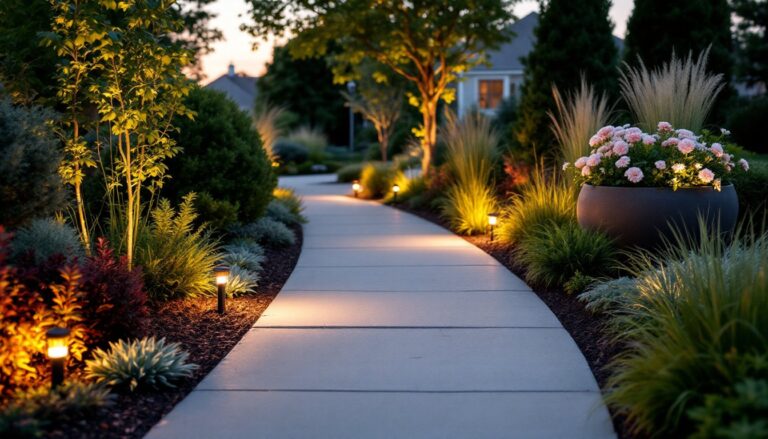
Your front yard is the first impression visitors have of your home, and it matters more than you might think. Strong curb appeal doesn’t require a landscape designer’s budget or months of labor. In fact, many homeowners underestimate how much impact simple, strategic updates can have on both the look and value of their property. Whether you’re prepping to sell, refreshing an aging yard, or just tired of looking at overgrown beds and dull turf, curb appeal landscaping delivers measurable results. The best part? Most of these improvements cost far less than you’d expect and can be tackled over a weekend or two with basic tools and some elbow grease.
Table of Contents
ToggleKey Takeaways
- Curb appeal landscaping can recover roughly 100% of moderate landscaping investments when selling, making it one of the few home improvements with guaranteed ROI.
- Assess sunlight exposure, soil conditions, and existing features before starting—proper planning prevents wasted time, money, and motivation on poorly designed projects.
- Fresh mulch and sharply defined garden beds deliver the most immediate visual impact for the lowest cost, typically transforming a modest front yard for $200-500.
- Choose plants based on your hardiness zone and sun/shade observations, and select tough, low-maintenance varieties like boxwood, viburnum, and knockout roses for reliable results.
- Start with one small planting zone or bed to build momentum—most homeowners find early success makes larger landscaping projects feel achievable and enjoyable.
Why Curb Appeal Matters for Your Home’s Value
Curb appeal isn’t just about aesthetics. Real estate data consistently shows that homes with attractive front yards sell faster and for higher prices than comparable properties with neglected exteriors. A study from the National Association of Realtors found that homeowners can recover roughly 100% of moderate landscaping investments when selling, making this one of the few home improvements that pays for itself.
Beyond resale value, curb appeal affects your daily experience. Walking up to a well-maintained front yard creates a sense of pride and accomplishment. It signals to neighbors that you care about your home, and it genuinely makes you feel better every time you pull into the driveway. These psychological benefits are just as real as the financial ones, even if you’re not planning to sell soon.
The good news: you don’t need to spend thousands to see results. Strategic, low-cost updates, like adding fresh mulch, planting seasonal flowers, or defining garden beds, deliver immediate visual impact. These projects are also perfect entry points for DIYers because they require minimal skill and no permits.
Plan Your Landscaping Design Before You Start
The biggest mistake homeowners make is diving into projects without a plan. You’ll waste time, money, and motivation if you’re making design decisions with a shovel in your hand.
Assess Your Space and Sunlight
Start by spending a few days observing your front yard at different times. Note which areas get full sun (6+ hours of direct sunlight), partial shade (3-6 hours), and full shade (under 3 hours). This matters because sun exposure determines which plants will thrive and which will struggle.
Walk the perimeter and note any existing landscape features: mature trees, hardscaping (pavers, concrete, stone), drainage patterns, and slopes. Check if your yard has any views you want to emphasize or eyesores you want to screen. Take photos from the street level, this is what visitors see, not the view from your porch. Document soil conditions if possible: clay soil, sandy soil, and loamy soil all affect plant selection and drainage.
Measure key distances: the width of your front beds, the distance from the front door to the driveway, and the height of your home’s foundation. These measurements help you choose plants and features at appropriate scales. A 20-foot-tall spruce next to a ranch-style home looks ridiculous: a 3-foot shrub would be undersized.
Choose a Design Style That Fits Your Home
Your landscaping should complement your home’s architecture, not fight against it. A modern farmhouse benefits from clean lines, ornamental grasses, and structured plantings: a cottage-style home looks best with dense, layered plantings and informal groupings of flowers.
Look at homes on your street for inspiration, but don’t copy blindly. What works three doors down might not suit your specific lot. Instead, identify common design elements: do most homes use evergreen shrubs or deciduous plants? Are beds mulched or planted solid? Is there hardscaping like stone pathways or raised beds?
Pick a cohesive color scheme. Most successful front yards use a simple palette: one neutral (green foliage), one accent color (the main flower color), and one secondary color for texture and depth. Too many competing colors looks chaotic and shrinks the perceived impact. You can see how Front Yard Landscaping Secrets explores these foundational design choices in detail.
Quick Wins: Easy Landscaping Updates for Immediate Impact
Once you’ve assessed your space and nailed down a direction, it’s time to execute. Start with the projects that deliver the most visible change per dollar spent.
Plant Colorful Shrubs and Flowering Plants
Newly planted shrubs and flower beds are the fastest way to transform a dull front yard. Focus plantings near your entry, that’s where people’s eyes naturally land. Foundation plantings (shrubs hugging the base of your home) create structure and make the house look grounded.
For budget-conscious projects, buy smaller plants (usually 1-2 gallons rather than 5-gallon specimens) and let them grow. Yes, they’re less impressive at planting time, but they’ll fill in within 2-3 years and cost a fraction of mature stock. Space them according to their mature size, not their current size, overcrowding leads to disease and poor growth.
Choose plant varieties based on your hardiness zone and the sun/shade conditions you observed earlier. Tough, low-maintenance choices include boxwood, viburnum, hydrangea, knockout roses, and ornamental grasses. For flowering impact, seasonal annuals (planted spring through fall) give you the most color flexibility and cost just a few dollars per plant.
Planting is straightforward: dig a hole slightly wider than the root ball, set the plant at the same depth it was in its container, backfill with native soil mixed with a bit of compost, water thoroughly, and let it settle for a few days before adding mulch. No special fertilizer or soil amendments needed for most plants if you’re using compost. External resources like The Spruce offer detailed planting guides for specific species if you need step-by-step help.
Add Mulch and Define Garden Beds
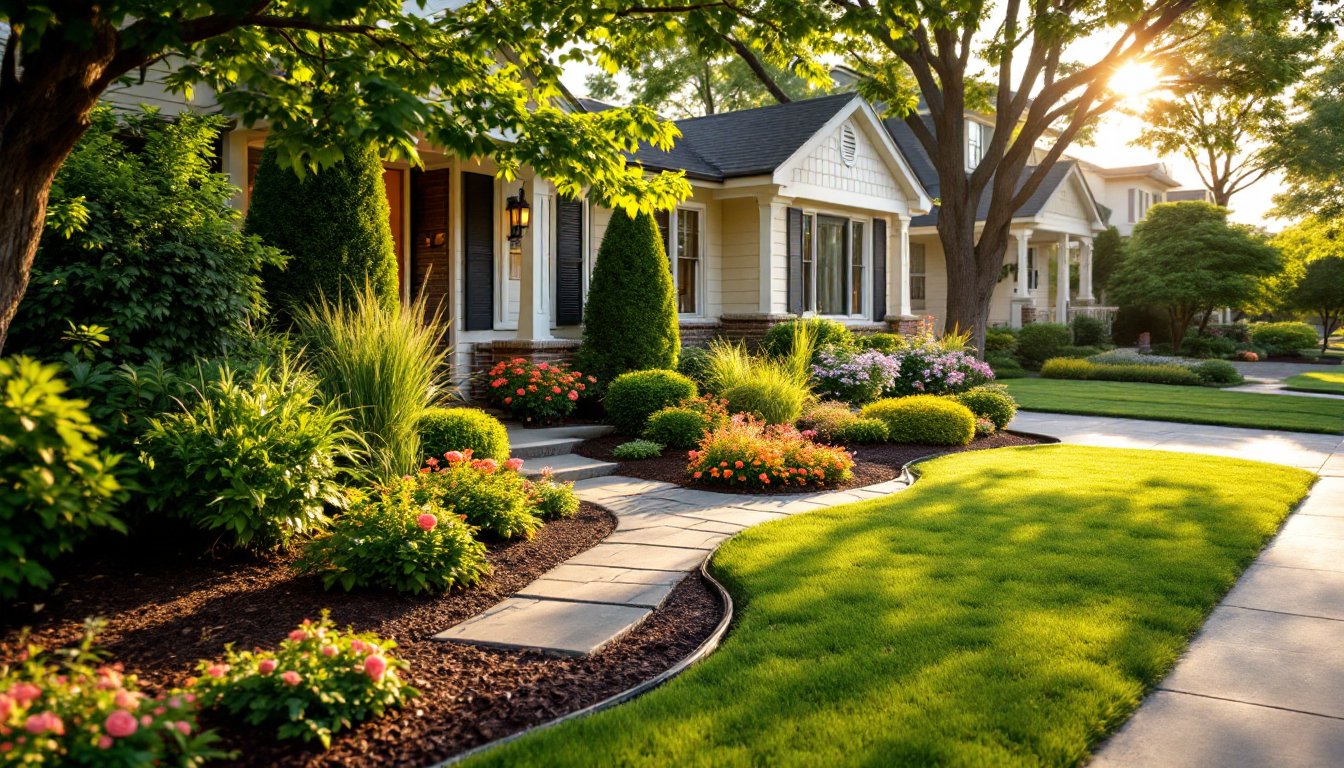
Mulch is the single most cost-effective curb appeal upgrade. Fresh mulch instantly makes beds look intentional and well-maintained. It also suppresses weeds, retains moisture, and moderates soil temperature, practical benefits that save you work down the road.
Before adding mulch, define your bed edges. Sharpen existing edges with a spade or a bed edging tool: the crisp line between bed and turf is what makes everything look manicured. If starting from scratch, lay out bed lines with a garden hose or rope first. Step back and look at the curve from a distance before you commit to digging.
Remove weeds, dead plants, and old mulch (about 2-3 inches deep) from existing beds. Rough up the remaining soil surface to help new mulch settle evenly. Then apply fresh 2-3 inches of mulch, hardwood mulch or shredded bark work well for most climates. Avoid volcano mulching (piling mulch against tree trunks), which traps moisture and invites rot and pest damage.
One cubic yard of mulch covers about 100-150 square feet at 2 inches deep. Calculate your bed area, then order accordingly. Most landscape supply yards deliver, which saves backbreaking hauling. If you’re buying bagged mulch from a big box store, do the math first: often bulk delivery is cheaper even though the fee. Resources like Curbed sometimes feature budget landscaping case studies showing real before-and-after transformations.
If you want extra visual punch, consider defining beds with low edging: steel, plastic, or aluminum bed borders create clean lines and prevent mulch creep. Install edging at ground level or slightly above so it doesn’t disappear into the mulch. Budget roughly $1-2 per linear foot for basic edging. For a modest 40-foot bed perimeter, you’re looking at $40-80, a worthwhile investment in a polished look.
Before you start, acknowledge the labor involved. A 500-square-foot front yard with weedy beds, compacted soil, and existing mulch to remove typically takes one fit person 6-8 hours to fully refresh. If you have a larger space or older beds, budget a full weekend. It’s honest work, but straightforward, no special skills or permits required. Wear work gloves, closed-toe shoes, and long pants to protect against splinters, blisters, and scrapes. A dust mask helps if you’re sensitive to mulch dust or mold.
You can also reference Mulch Landscaping: Transform Your Garden for deeper guidance on mulch types, application rates, and seasonal maintenance. For challenging sites like sloped lots, Slope Landscaping: Transform Your addresses specific tactics for uneven terrain. And if you’re building out a broader yard overhaul, Outdoor Landscaping: Transform Your covers budget strategies across the entire property.
If your climate is arid or water-restricted, Desert Landscaping: Transform Your Outdoor Space explores drought-tolerant plants and water-smart mulch alternatives that deliver the same visual impact with less maintenance. Real-world budgets for these quick wins typically range from $200-500 for a modest front yard, depending on plant selection and bed size. That figure can stretch further if you’re willing to start small and expand over a season or two.
Your Front Yard Transformation Starts Now
Curb appeal landscaping doesn’t have to be complicated or expensive. A thoughtful plan, smart plant choices, and fresh mulch can completely reshape how your home looks and feels. Start with one small bed or a single planting zone, see how it feels, and build from there. Most homeowners find that early success builds momentum, what seemed daunting at first becomes genuinely enjoyable once you see results. Your front yard is yours to design and maintain: make it reflect what matters to you.