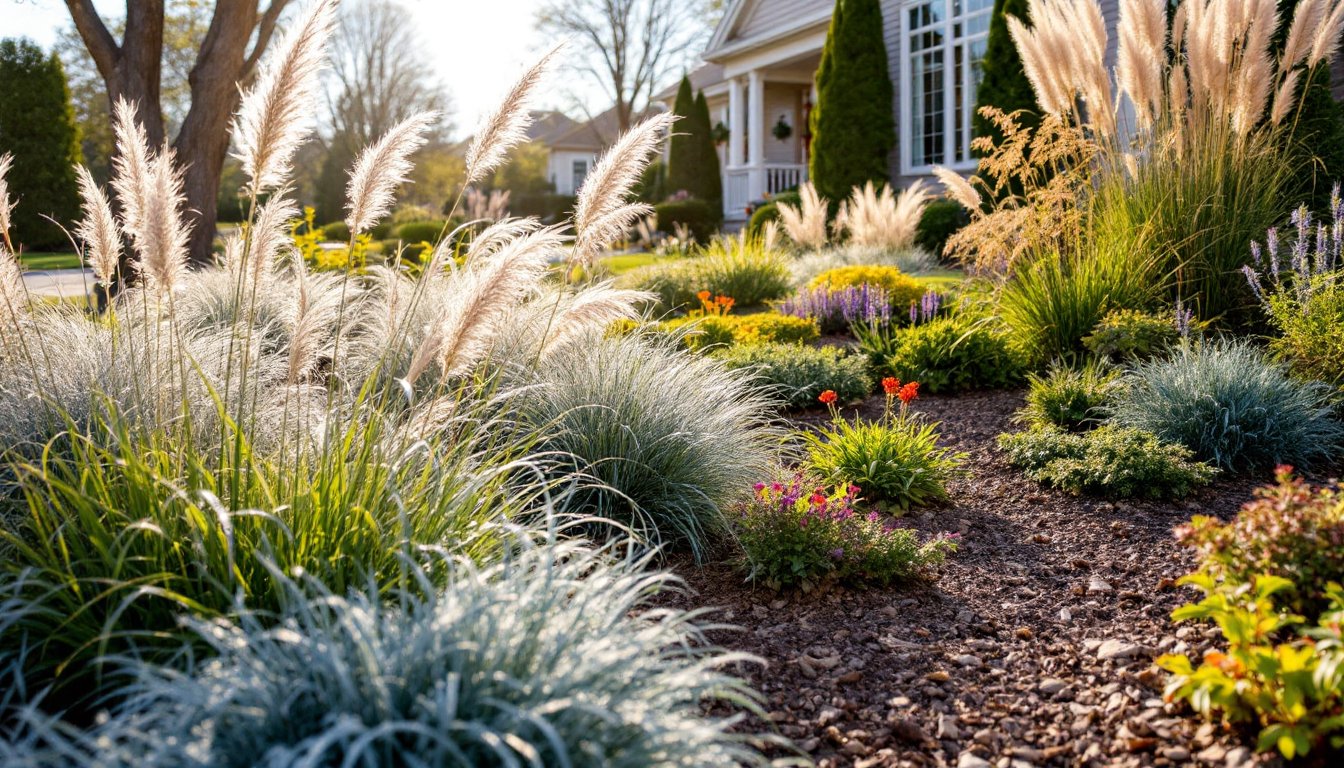
Ornamental grasses are game-changers for front yard landscaping. They bring movement, texture, and seasonal color to any property without demanding the constant maintenance of traditional shrub borders or flower beds. Unlike annuals that need replanting or hedges that demand regular shearing, ornamental grasses do most of the work themselves, and they look stunning doing it. Whether you’re starting from scratch or refreshing a tired landscape, these plants offer visual impact on a budget. This guide walks you through selecting, planting, and maintaining ornamental grasses for a front yard that catches eyes and respects your free time.
Table of Contents
ToggleKey Takeaways
- Ornamental grasses require minimal maintenance while delivering year-round curb appeal, with movement and seasonal color that traditional shrubs and flowers cannot match.
- Success with front yard landscaping using ornamental grasses depends on selecting cool-season varieties for northern zones (3–6) or warm-season types for southern and central regions (5–10) based on your climate.
- Plant ornamental grasses in groups of odd numbers at proper spacing (2–4 feet apart) with varying heights to create intentional, professional-looking landscape design without visual clutter.
- Prepare well-draining soil amended with compost and sand, plant in spring or early fall, and water regularly for the first 4–6 weeks to ensure successful establishment.
- Once established, ornamental grass care involves a single spring cutting and minimal supplemental watering, plus occasional division every 3–4 years to maintain vigor and appearance.
Why Ornamental Grasses Transform Your Front Yard
Ornamental grasses deliver curb appeal without the fuss. They move with the wind, creating dynamic visual interest that static plants can’t match, especially in fall and winter when dried seed heads catch light and frost. Because they’re structural plants, they define spaces and anchor beds without looking manicured or sterile.
Most ornamental grasses are incredibly tough. Once established, they tolerate drought, poor soil, and neglect far better than conventional landscaping plants. They also attract pollinators and birds, adding wildlife value to your landscape. Since you’re planting fewer specimens compared to massed perennials or shrubs, your upfront cost stays reasonable. And honestly, a well-placed grass creates visual rhythm that ties an entire front yard together, it’s the kind of professional-looking detail that makes a property feel intentional rather than assembled.
Choosing the Right Ornamental Grasses for Your Climate
Climate determines success more than anything else. Plant a warm-season grass in Minnesota, and you’ll watch it struggle: choose a cool-season variety for Arizona, and it’ll turn brown mid-summer. The key is matching the grass type to your USDA hardiness zone and rainfall patterns.
Cool-Season vs. Warm-Season Varieties
Cool-season grasses thrive in northern regions (zones 3–6) and peak during spring and fall. They include Karl Foerster feather reed grass (6 feet tall, narrow upright form), miscanthus varieties (4–8 feet, arching structure), and blue fescue (1–2 feet, fine blue-gray foliage). These germinate early, provide color when other plants are waking up, and can look tired in hot, dry summers, but they bounce back in fall.
Warm-season grasses dominate southern and central regions (zones 5–10) and explode with growth in late spring through early fall. Switchgrass (3–6 feet, fine texture, purplish seed heads) and little bluestem (2–3 feet, burgundy fall color) are workhorses. Muhly grass (4–5 feet, pink-bronze plumes) turns heads in late summer. Warm-season types stay dormant and brown through winter, so they look inactive in northern yards from November to April, which either adds stark winter interest or feels dead, depending on your taste.
Check your local cooperative extension office or USDA zone map to confirm what grows best in your area. Plant selection is non-negotiable: the right grass in the wrong climate will fail no matter how well you plant it.
Planning Your Landscaping Layout
Before digging, sketch your front yard. Note sun exposure (full sun vs. partial shade), existing hardscape (driveway, walkway, foundation), and sight lines. Ornamental grasses need at least 4–6 hours of direct sun to look their best: they’ll tolerate part shade but may flop or thin out.
Design Principles for Visual Impact
Group grasses in odd numbers, three, five, or more of the same variety, for stronger visual punch. A single grass can look lonely: clusters read as intentional design. Vary heights: place taller grasses (3+ feet) toward the back or sides so they don’t block the view of your house or entrance. Mid-size grasses (2–3 feet) fill the middle layer, and smaller varieties (1–2 feet) sit in front.
Mix grass heights and textures with complementary plants. Ornamental grasses pair beautifully with sedums, coneflowers, Russian sage, and ornamental kale, think about color harmony and bloom timing. Research shows that homeowners who invest in intentional planting plans (even simple sketches) feel more satisfied with final results and stick with maintenance better.
Space plants correctly. A 3-foot-tall grass mature size requires roughly 2–3 feet of spacing: a 6-footer needs 3–4 feet. Crowding leads to poor air circulation, disease, and early decline. Many landscapers and DIYers underestimate mature sizes and plant too densely, this is one of the top reasons ornamental grass plantings look scraggly after year two.
Preparing Your Soil and Planting for Success
Soil prep separates success from disappointment. Most ornamental grasses prefer well-draining soil: they’ll tolerate poor, compacted, or lean soil better than most plants, but they won’t thrive in waterlogged clay. If your yard has heavy clay, amend it with coarse sand and compost (roughly 2–3 inches tilled into the top 8–10 inches) to improve drainage.
Test your soil pH if possible, most ornamental grasses adapt to neutral to slightly acidic soil (6.0–7.0 pH). You don’t need rich, expensive amendments: grasses actually prefer lean conditions and will grow too lush and floppy in nitrogen-rich soil.
Plant in spring (April–May in cold climates) or early fall (August–September in warm regions). Spring planting gives cool-season grasses a full growing season: early fall works better for warm-season types, allowing root establishment before dormancy.
Steps for planting:
- Dig a hole slightly wider than the root ball and just as deep, never deeper. Grasses planted too deep will rot.
- Loosen the root ball gently with your fingers before settling it into the hole. Backfill with amended soil and the original topsoil.
- Water thoroughly after planting to settle soil and eliminate air pockets.
- Mulch lightly around the base (1–2 inches of coarse wood chips or straw) to retain moisture during establishment. Remove mulch as the plant grows to avoid crown rot.
- Water regularly (every 3–4 days in dry weather) for the first 4–6 weeks while the roots establish. After that, reduce watering unless drought conditions persist.
Don’t fertilize at planting time, wait until the second growing season. Establishing grasses need root development, not leafy growth.
Caring for Ornamental Grasses Year-Round
Once established, ornamental grasses are genuinely low-maintenance, but a little seasonal attention keeps them looking sharp.
Spring (early spring, before new growth): Cut back cool-season grasses to about 4–6 inches above the ground using hedge shears or a string trimmer, don’t use a mower, which tears the stems ragged. Warm-season grasses wait until late winter or very early spring (late February–early March in most zones) because you want them dormant when you cut. This task takes an afternoon for most home yards and makes an enormous visual difference.
Summer and fall: Water newly planted grasses during the first year if rainfall drops below 1 inch per week. Established grasses rarely need supplemental water unless you’re in a true drought. Deadhead spent flower plumes if you want a tidier look, or leave them for winter interest and wildlife habitat, both are fine.
Winter: Resist the urge to cut back warm-season grasses in fall. Those tan, dried stalks protect the plant’s crown and provide overwintering shelter for beneficial insects. The visual reward of frosted seed heads in January also justifies leaving them standing. In spring, you’ll cut back the old growth before new shoots emerge.
Division (every 3–4 years): When a grass clump gets thick or the center starts thinning, divide it in early spring (for cool-season types) or early fall (for warm-season grasses). Dig up the clump, split it into 2–3 sections with a sharp spade, and replant at the same depth. Water well. This refreshes vigor and lets you expand plantings or share with neighbors.
Pests and disease are rarely issues with healthy ornamental grasses. Poor drainage and crowding are your real enemies, stick to site-appropriate varieties, ensure good air circulation, and you’ll see very few problems.
Bringing It All Together
Ornamental grasses deliver professional-looking front yard appeal without the work of traditional landscaping. Choose varieties suited to your climate, plan a layout with visual depth, prep your soil honestly, and plant at the right time. From there, one spring cutting and minimal watering carry you through the year. The result is a dynamic, resilient landscape that works harder than you do, and looks better for it.