In a world where the unexpected lurks around every corner, preparing for emergencies isn’t just smart—it’s essential. Picture this: a sudden storm knocks out power, and you’re left rummaging through your pantry for that last can of beans. Spoiler alert: it’s probably expired. Emergency preparedness storage isn’t just about stashing supplies; it’s about having peace of mind when chaos strikes.
Importance Of Emergency Preparedness Storage
Emergency preparedness storage plays a vital role in ensuring safety during unexpected events. Having essential supplies readily available reduces stress and enhances resilience. It enables individuals and families to respond effectively to natural disasters, power outages, or other emergencies.
Storage of non-perishable food items, water, first aid kits, and other critical supplies creates a safety net. Accessible emergency kits equipped with necessary tools increase the likelihood of managing emergencies efficiently. Statistics indicate that over 60 percent of Americans lack a designated emergency plan, showcasing a significant gap in readiness.
Long-lasting food items, such as canned goods and dried fruits, should make up a substantial portion of these supplies. An adequate water supply, with at least one gallon per person per day for three days, proves essential for survival. Preparedness storage also includes tools like flashlights, batteries, and sanitation items to address diverse needs.
Prioritizing training in emergency response further strengthens preparedness efforts. Regular drills ensure that everyone knows how to utilize their supplies confidently. Utilizing community resources and workshops can enhance knowledge regarding emergency protocols and effective storage methods.
Maintaining an organized emergency storage area significantly improves accessibility during crises. Labeling containers and regularly checking expiration dates promotes efficient use of supplies. Individuals can adjust their storage strategies based on specific needs, such as the unique requirements of children or pets.
By prioritizing emergency preparedness storage, individuals foster a secure environment, enhancing their capability to weather unpredictable situations.
Key Items For Your Emergency Preparedness Storage
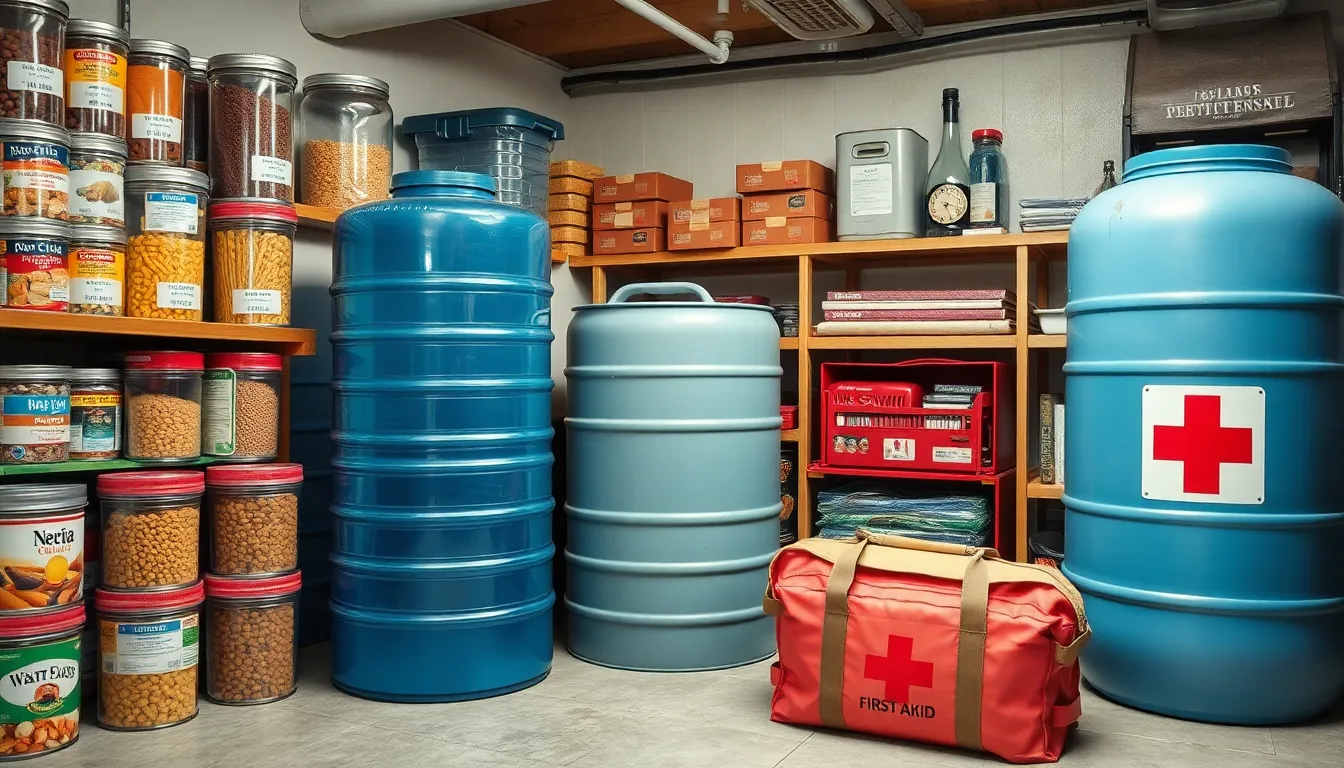
Essential supplies form the backbone of effective emergency preparedness storage. Prioritizing specific items ensures readiness for unexpected situations.
Food Supplies
Non-perishable food items serve as a fundamental component of emergency storage. Canned goods, pasta, rice, and dried fruits provide necessary nutrition. Stocking enough food for at least three days per person is advisable. Labels on containers help identify contents and expiration dates. Regularly rotating supplies can prevent waste and ensure freshness. Including high-energy snacks like granola bars boosts morale during stressful times. Planning meals in advance simplifies the selection of appropriate food products.
Water Storage
An adequate water supply is critical in any emergency plan. At least one gallon of water per person per day for three days ensures hydration needs are met. Containers should remain clean and easily accessible. Sealing water bottles or using water storage barrels maintains quality. Regularly checking and replacing water supplies keeps them safe for consumption. Planning for additional water for cooking and sanitation is wise. Labeling storage with the date helps manage water quality effectively.
First Aid Kits
A well-stocked first aid kit addresses medical needs during emergencies. Essential items include adhesive bandages, antiseptics, and gauze pads. Including pain relievers and any personal medications enhances preparedness. Familiarity with the contents of the kit ensures quick access when needed. Regular inspections of the kit help maintain updated supplies. Including emergency contact numbers and first aid instructions can aid individuals unfamiliar with medical situations. Creating smaller kits for vehicles or workspaces expands preparedness beyond the home.
Best Practices For Organizing Your Storage
Efficient organization of emergency preparedness storage enhances access and readiness during emergencies. Practicing these best practices ensures supplies remain usable and accessible.
Shelving Solutions
Utilizing sturdy shelving units maximizes vertical space, facilitating efficient organization. Open shelving allows easy visibility of supplies, reducing search time during emergencies. Adjustable shelves accommodate various item sizes, ensuring flexibility in storage. Installing clear bins on shelves promotes systematic arrangement, separating categories such as food, water, and medical supplies. Choosing easy-to-clean materials simplifies maintenance and sanitation.
Labeling And Inventory
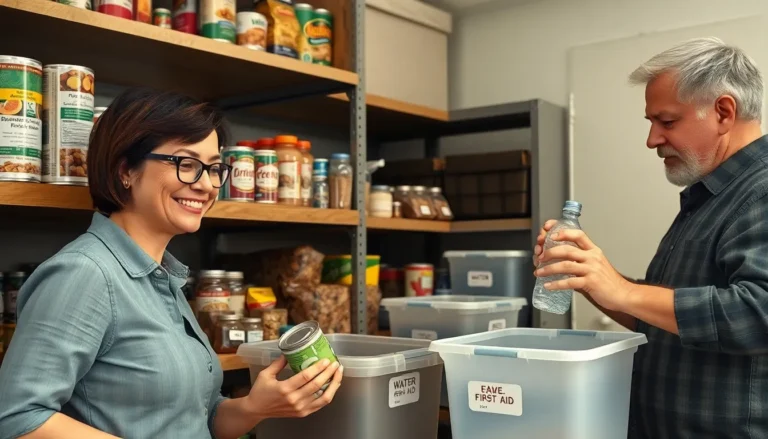
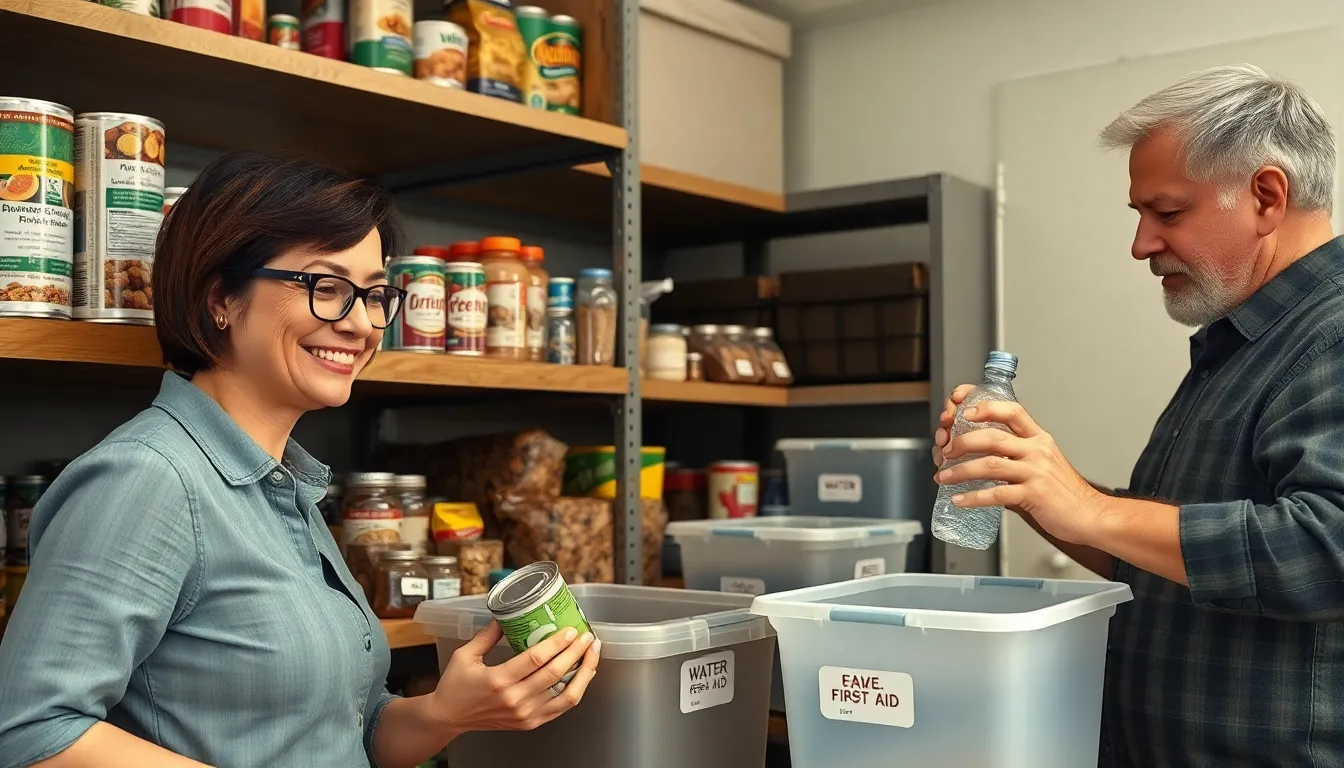
Labeling supplies significantly aids in quick identification and organization. Clearly marked bins with essential contents help family members locate needed items effortlessly. Maintaining an inventory list provides a concise overview of supplies, highlighting what needs replenishing. Regularly updating this list ensures awareness of expiration dates, aiding in timely rotations. Personalizing labels with categories, such as “First Aid” or “Water,” enhances clarity and improves response efficiency during emergencies.
Common Mistakes To Avoid
Many individuals overlook regular checks of their emergency supplies. This practice helps ensure that items remain in good condition and are within their expiration dates. Failing to rotate food and water regularly can lead to spoiled supplies when emergencies occur.
Some people also underestimate the quantity of essential supplies needed. Stocking for at least three days per person is crucial. Overestimating the availability of food and water during a crisis can lead to a shortage when resources are limited.
Additionally, neglecting proper labeling causes confusion during emergencies. Ensuring all items are clearly labeled saves time and improves efficiency when locating supplies. Mislabeling or not labeling at all can create delays when every second counts.
People sometimes choose unsuitable storage locations for their supplies. Keeping items in damp or poorly ventilated areas increases the risk of spoilage and contamination. Storing supplies in easy-to-access, clean locations reduces stress during a crisis.
Skipping the inclusion of important medical supplies is another mistake. A comprehensive first aid kit enhances readiness in emergencies. Not including personal medications or essential health items can put individuals at risk during unexpected events.
Some overlook the significance of maintaining an inventory list. Maintaining a detailed inventory of supplies allows individuals to track their stock and ensure nothing is missing. Forgetting to update the list can lead to a disorganized storage area and difficulty in finding resources.
Realizing these common mistakes can greatly improve overall emergency preparedness. Understanding how to effectively store supplies fosters confidence and ensures readiness for any unforeseen situation.
Emergency preparedness storage is essential for navigating unexpected situations with confidence. By taking proactive steps to organize supplies and maintain an inventory, individuals can create a reliable safety net. Prioritizing non-perishable food, clean water, and first aid essentials not only ensures readiness but also promotes peace of mind.
Regular checks and proper labeling are critical to maximizing the effectiveness of emergency kits. By avoiding common mistakes and implementing best practices, everyone can enhance their response capabilities during crises. Ultimately, being prepared is not just about having supplies; it’s about cultivating resilience and ensuring safety for oneself and loved ones in times of need.