If you’re tired of doing laundry in two separate machines or you’re cramped for space, a heat pump washer dryer combo might be exactly what you need. These all-in-one units have come a long way in recent years, and 2026 is shaping up to be a breakthrough year for the technology. Unlike older combo models that left clothes damp and wrinkled, modern heat pump combos use intelligent drying technology that’s gentler on fabrics while using significantly less energy than traditional vented dryers. For homeowners looking to reduce their utility bills and simplify their laundry routine, understanding how these machines work and what to look for can save you money and headaches down the road.
Table of Contents
ToggleKey Takeaways
- Heat pump washer dryer combos use 50–70% less energy than conventional dryers, potentially reducing annual dryer consumption from 600–700 kWh to 200–300 kWh and cutting utility bills significantly over 7–10 years.
- These all-in-one units offer gentler fabric care with lower temperature drying, reducing shrinkage, fading, static cling, and wrinkles compared to traditional dryers.
- Prioritize models with at least 4.5 cubic feet capacity, moisture sensors, direct-drain condensation handling, ENERGY STAR certification, and a 1–3 year warranty on the heat pump compressor.
- A heat pump washer dryer combo requires proper 240V electrical installation, adequate room ventilation (at least 4 inches clearance), and secure plumbing connections with drain hoses positioned at least 30 inches above the machine.
- While upfront costs range from $2,000–$4,500 and cycle times are longer (2–3 hours), available utility rebates and tax credits can offset initial expenses, making the investment worthwhile for space-constrained homes.
What Is A Heat Pump Washer Dryer Combo?
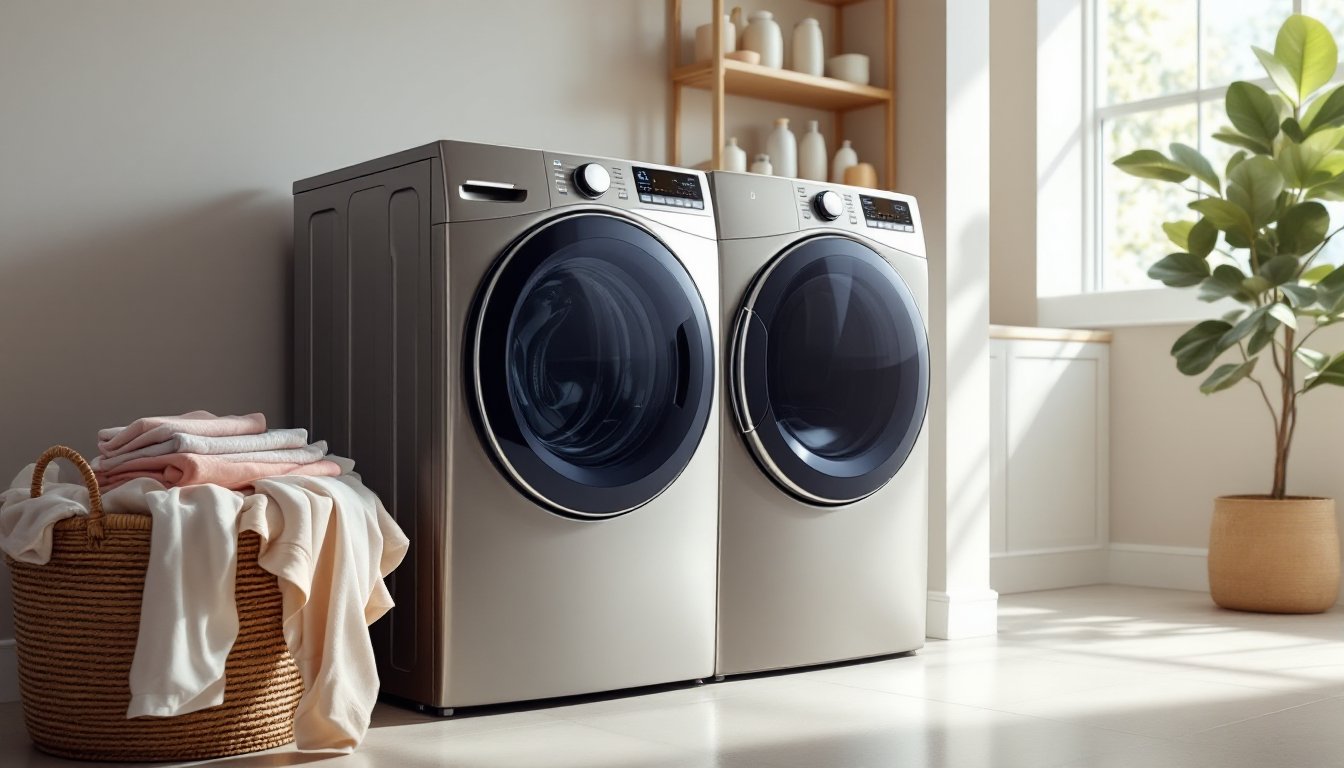
A heat pump washer dryer combo is a single appliance that handles both washing and drying in one unit, using heat pump technology instead of traditional electric resistance heating. Rather than blasting clothes with intense direct heat like conventional dryers, a heat pump system captures warm air, compresses it to increase its temperature, and recycles that heat through your laundry, similar to how a refrigerator works in reverse.
The beauty of this design is efficiency. Instead of constantly heating new air and venting it outside (where your energy literally escapes), a heat pump recirculates and reuses that energy. The water extracted from your wet clothes is collected in a tank you can drain, or it gets pumped directly to your standpipe or sink. Most models handle loads up to 4.5–5.0 cubic feet, which is comparable to a standard front-load washer but smaller than most side-by-side combinations you might find from brands like Samsung or LG.
These combos are popular in apartments, condos, and homes where space is limited or where you can’t install both a washer and dryer. They’re also becoming more practical for full-size household laundry thanks to improved drying performance and faster cycle times than earlier generations.
Why Heat Pump Technology Matters For Your Home
Energy Efficiency and Long-Term Savings
Heat pump combos use about 50–70% less energy during the drying cycle compared to conventional electric dryers. That translates directly into lower utility bills month after month. If you’re currently running a standard vented dryer, switching to a heat pump combo could cut your annual dryer energy consumption from roughly 600–700 kWh down to 200–300 kWh, depending on your usage and local electricity rates.
The upfront cost is higher, expect to pay $2,000–$4,500 for a quality unit, but many homeowners recoup that investment through energy savings over 7–10 years. Some utility companies and government incentives (like ENERGY STAR rebates) can also offset the initial expense. Always check with your local utility before purchasing: rebates and tax credits vary significantly by region and change frequently.
You’ll also notice that heat pump dryers run much longer cycles, sometimes 2–3 hours instead of 45 minutes, but that’s the trade-off for lower heat and lower energy consumption. The slower, gentler drying is actually better for your clothes and your power bills.
Gentler Care For Your Fabrics
Because heat pump combos operate at lower temperatures, they’re far less harsh on delicate fabrics like athletic wear, silks, and performance materials. Lower heat means less shrinkage, fading, and wear on elastic and synthetic blends. If you’ve ever pulled a favorite sweater out of a conventional dryer only to find it’s three sizes smaller, you understand the value of this feature.
The lower temperature also reduces static cling and wrinkles, which means less time spent ironing. For a homeowner juggling laundry among other projects, that’s a real convenience gain.
Key Features To Look For When Shopping
When evaluating heat pump washer dryer combos, prioritize these features:
Capacity & Drum Size: Look for at least 4.5 cubic feet to handle larger loads and bedding. Smaller units (3.5–4.0 cubic feet) work if you live alone or have minimal laundry, but they require more frequent cycles and wear out the machine faster.
Moisture Sensor & Auto Shutoff: These detect when clothes are dry and stop the cycle automatically, preventing over-drying and saving energy. Not all models have this: make sure it’s included.
Cycle Variety: Modern combos offer separate wash and dry settings, delay start, sanitize cycles, and allergen modes. Wash cycles should include options for heavily soiled items and delicates.
Condensation Handling: Check whether the unit drains via hose to a standpipe or sink, or if it relies on an internal tank you empty manually. Tank-only models need frequent attention and aren’t practical for daily laundry in most households.
Noise & Vibration: Heat pump dryers are quieter than vented dryers, but some still produce noticeable vibration. Read user reviews on actual noise levels: specifications alone don’t tell the full story.
Smart Features: Wi-Fi connectivity, app controls, and notifications are increasingly common. They’re convenient but not essential: evaluate whether they justify the cost for your household.
ENERGY STAR Certification: Always buy a certified model. Per CNET’s product reviews and testing protocols, independent verification of energy claims gives you confidence in efficiency ratings. The EnergyGuide label shows estimated annual operating costs, which is a better comparison tool than raw wattage specs.
Warranty: Heat pump systems are more complex than traditional dryers, so look for at least a 1-year parts and labor warranty, ideally 3 years on the heat pump compressor. Some brands offer 10-year warranties on specific components: those are worth the premium.
Installation and Space Considerations For DIY Homeowners
Installing a heat pump washer dryer combo isn’t plumbing-intensive like a traditional washer, but it does require planning. Here’s what you need to know:
Space & Ventilation: These units don’t need external venting because the heat pump recycles moisture internally. But, the room still needs adequate air circulation. Most manufacturers recommend at least 4 inches of clearance on sides and back, and decent airflow in the room to prevent humidity buildup. A laundry closet with the door cracked open works: a sealed cabinet does not.
Electrical Requirements: Confirm your unit’s voltage (240V or 120V) and amperage before plugging it in. Most heat pump combos run on standard 240V circuits like traditional dryers, requiring a dedicated outlet. Check your home’s electrical panel or hire a licensed electrician if you’re unsure. This isn’t a DIY-and-figure-it-out situation, incorrect voltage can damage the unit or create a fire hazard.
Plumbing: Cold water inlet hoses and drain lines follow the same standards as a traditional washing machine. Use inlet hoses rated for your water pressure (typically 20–60 psi). Secure the drain hose to a standpipe, floor drain, or utility sink at least 30 inches above the machine’s drain valve to prevent siphoning. If your current setup doesn’t support this, you’ll need to run new lines, this may require a plumber depending on your home’s layout and local plumbing codes.
Condensation Tank (if applicable): Some models include a condensation tank that collects water from the drying cycle. These need to be emptied after every 2–3 loads, which becomes tedious. Direct-drain models are preferable if your layout allows them. If using a tank, locate the unit near a sink or install a condensate pump (a small, inexpensive device that moves water automatically).
Delivery & Installation: Most retailers offer delivery and hookup services for a fee ($100–$300). For a complex setup or if you’re uncomfortable with plumbing and electrical work, this is money well spent. According to Good Housekeeping’s expert testing of washer dryer combos, proper installation is crucial for performance and longevity.
Build-In vs. Freestanding: Most combos are freestanding units, but some manufacturers offer stacking kits or built-in trim options. Measure your space carefully, nominal dimensions in spec sheets can differ from actual product width and depth.
Before ordering, verify that your doorways, hallways, and final location can accommodate the unit’s size. Many installation headaches stem from units that won’t fit through the basement door or laundry room opening.
Conclusion
Heat pump washer dryer combos represent a solid investment for homeowners seeking efficiency, space savings, and gentler fabric care. They’re not a quick fix for laundry, cycles are longer, but they reduce energy bills significantly over time and eliminate the need for two separate appliances. Focus on capacity, condensation handling, and proper installation planning, and you’ll have a reliable machine that works hard for a decade or more.