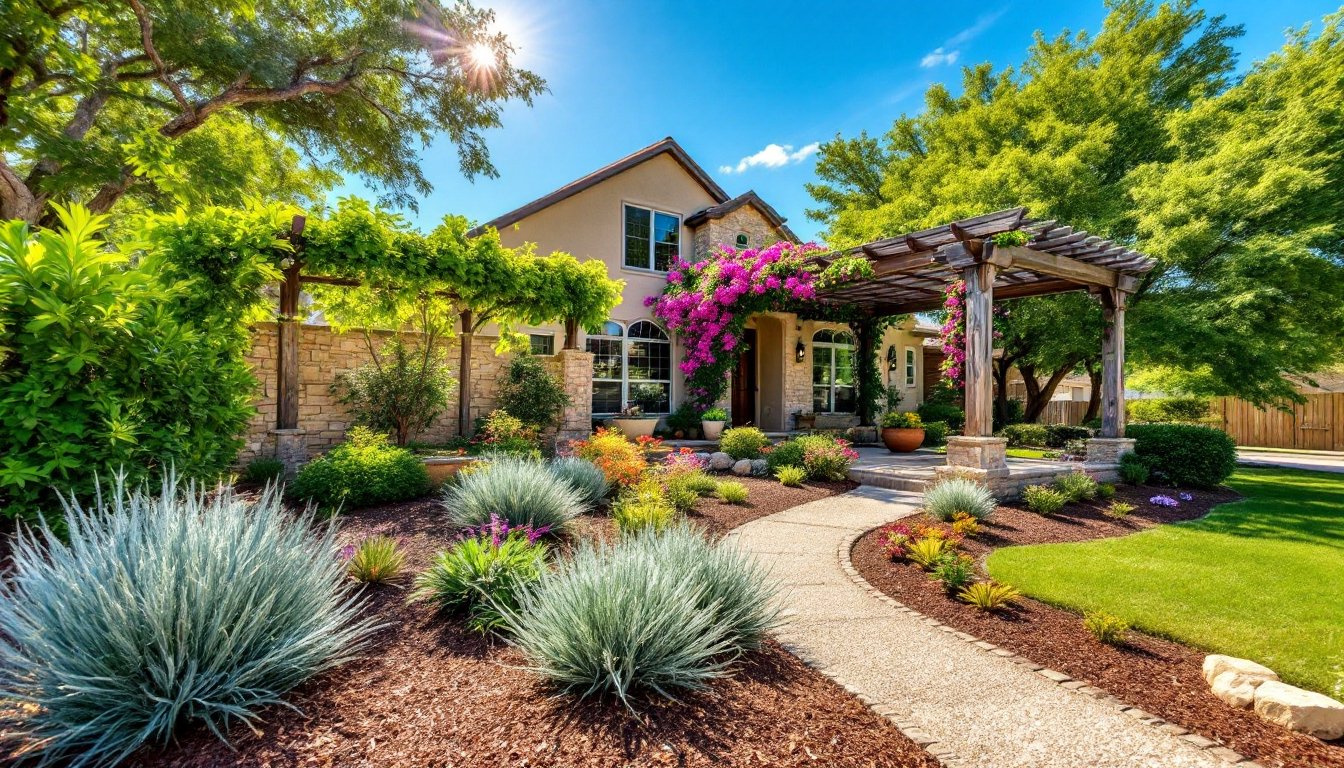
Texas summers are unforgiving, and a poorly designed front yard becomes a dust bowl by July. But the right landscape plan transforms your curb appeal while thriving in intense heat and irregular rainfall. Whether you’re working with clay soil, limestone, or sand, front yard landscaping ideas for Texas focus on smart plant choices, water efficiency, and hardscaping that works with the climate rather than against it. This guide covers nine proven design strategies that reduce maintenance, lower water bills, and create an outdoor space your neighbors will actually admire.
Table of Contents
ToggleKey Takeaways
- Front yard landscaping ideas for Texas succeed by prioritizing native plants like live oak, lantana, and esperanza that thrive in heat, poor soil, and drought conditions with minimal maintenance.
- Implement xeriscaping through hydrozones (grouping plants by water needs) and drip irrigation systems to reduce water consumption by 50% compared to traditional spray heads.
- Apply 2–3 inches of mulch annually and use permeable hardscaping like decomposed granite or flagstone to moderate soil temperature, suppress weeds, and reduce maintenance zones without constant upkeep.
- Plant shade trees on western and southwestern sides to reduce surrounding air temperature by up to 20°F and lower cooling costs by 25%, or use pergolas and shade sails as budget alternatives.
- Prepare soil with 3–4 inches of compost and test pH before planting, since Texas clay and alkaline soils directly impact plant success and nutrient availability.
- Incorporate strategic hardscaping, decorative accents, and subtle lighting to define landscape structure and enhance curb appeal without overwhelming the space or creating maintenance burdens.
Choose Native Texas Plants for Year-Round Appeal
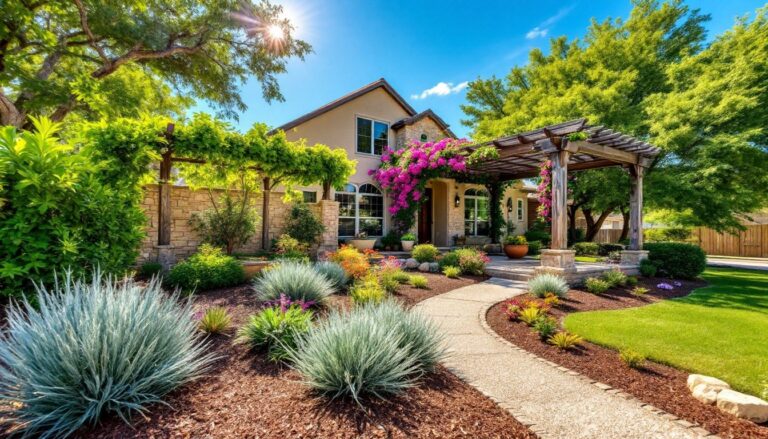
Native plants are your first line of defense against Texas heat. Species like live oak, Texas privet, esperanza, and lantana evolved to survive your region’s droughts, poor soils, and temperature swings. They need less water, fewer fertilizers, and minimal pest management compared to imported ornamentals.
Look for plants rated for your specific USDA hardiness zone (Texas ranges from 8a to 9b depending on location). Native varieties also attract pollinators and birds, adding life to your landscape year-round. Browse your local native plant society or nursery for regional recommendations, they’ll know what actually performs in your yard rather than in a catalog.
Mix heights and textures: tall shrubs as anchors, mid-sized specimens for structure, and low groundcovers to fill gaps. This layering creates visual depth and prevents the flat, sparse look that plagues many Texas yards. Front Yard Landscaping Secrets can transform your curb appeal by showing how thoughtful plant selection establishes the foundation of any successful design.
Design a Low-Water Xeriscaping Layout
Xeriscaping isn’t fancy landscaping with rocks and succulents only, it’s a systematic approach to reducing water demand. Group plants by water needs (hydrozones): high-water areas near the entry or seating zones, moderate-water plants in mid-yard, and drought-tolerant species toward edges.
Start with soil prep. Most Texas yards have heavy clay that holds water or sandy soil that drains too fast. Add 3–4 inches of compost before planting to improve drainage and nutrient retention. Test your soil pH: many Texas soils lean alkaline (7.5+), which limits nutrient availability. Amend accordingly or choose plants that thrive in alkaline conditions.
Plan your irrigation carefully. Drip lines deliver water directly to roots, reducing evaporation by 50% compared to spray heads. On a timer, drip systems run early morning or late evening when winds are calm. Desert Landscaping shares drought-resistant strategies that apply equally well to Texas xeriscaping projects.
Use Mulch and Rock Features to Reduce Watering
Mulch is your secret weapon. A 2–3 inch layer of wood chips or shredded bark moderates soil temperature, suppresses weeds, and retains moisture. Reapply annually as it breaks down. Avoid piling mulch against plant stems: leave a small air gap to prevent rot.
Rock and gravel features (decomposed granite, lava rock, flagstone) add visual contrast and reduce maintenance zones. They don’t need watering, mowing, or weeding. Use rocks strategically around plant bases or to frame beds rather than covering entire front yards, it can trap heat and look harsh in full sun. River rock reflects light well but can be slippery when wet: save it for accent areas. Outdoor Landscaping solutions on a budget often rely on smart mulching and hardscaping to maximize impact without constant upkeep.
Create Shade with Trees and Structural Elements
A mature tree can reduce surrounding air temperature by 20°F and cut cooling costs by 25%. Plant shade trees, live oak, cedar elm, Texas ash, on the western and southwestern sides of your property. They’ll protect your home and make the yard feel cooler and more inviting during hot months.
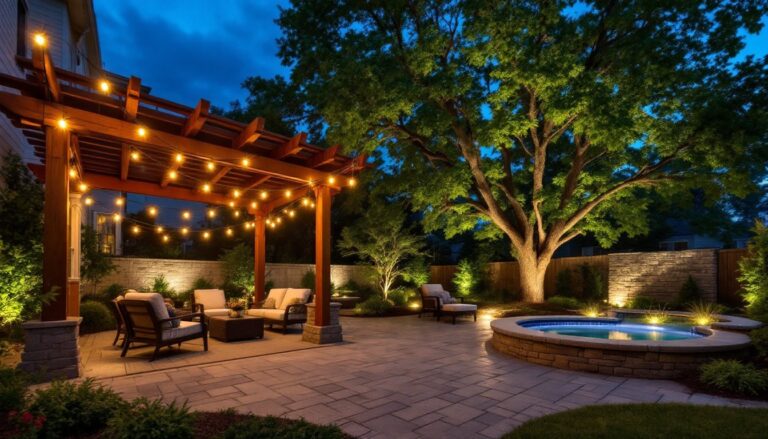
If mature trees aren’t in your budget or timeline, consider pergolas, shade sails, or arbors. A well-placed pergola over a seating area creates dappled shade and a focal point. Pergolas can be built from pressure-treated lumber (rated for ground contact) or composite materials. Attach vines like clematis or trumpet vine to amplify the cooling effect.
Structural shade also improves plant health. Many shade-tolerant plants (hostas, ferns, shade-loving groundcovers) struggle in full Texas sun. A shade structure allows you to diversify plant choices and create layered landscapes. If you have slopes, trees and structures also help with erosion control and visual interest. Slope Landscaping design principles can guide you in placing trees to anchor sloped yards and prevent water runoff.
Add Hardscaping for Function and Style
Hardscaping, paving, walls, borders, provides structure and reduces maintenance zones. Permeable pavers (pervious concrete, permeable asphalt, recycled pavers) allow water to drain through rather than pooling or running off. They’re especially useful in Texas, where sudden downpours cause flooding.
Retaining walls define beds, prevent erosion, and add dimension. Use dry-stack limestone (common in Texas) or steel edging for a modern look. Walls also function as seating or display platforms for potted plants. Make sure any wall taller than 18 inches is built with proper base, drainage, and material compaction, poor construction leads to leaning or collapse.
A simple gravel or crushed granite pathway reduces heat island effect and guides traffic without looking formal. Flagstone, decomposed granite, and mulched pathways all work: choose based on your climate, maintenance tolerance, and budget. Hardscaping doesn’t require irrigation or mowing, freeing time and water for plants that matter. Resources like The Spruce provide comprehensive guides on hardscape design and installation to help you plan durable, attractive outdoor spaces.
Incorporate Decorative Accents and Lighting
Accents, bird baths, sculpture, planters, personalize a landscape and draw the eye. Choose pieces that complement your home’s architecture. A large ceramic planter with seasonal annuals near the entry adds color and welcomes visitors. Weathered metal or concrete sculpture creates visual interest without clashing with native plantings.
Lighting transforms a front yard from day to night. Solar pathway lights are budget-friendly and require no wiring. LED uplighting highlights trees or architectural features and improves security (well-lit yards deter vandalism). String lights over a seating area create ambiance. Avoid over-lighting: a few well-placed fixtures have more impact than dozens of flickering lights.
Water features, a small fountain, rain garden, or bird bath, add motion, sound, and visual appeal. In Texas, fountains recirculate water, so upkeep is minimal. A rain garden captures runoff, reducing yard flooding and supporting native plants. Place accents thoughtfully: cluttering your front yard with tchotchkes reads as amateur. Southern Living’s porch and outdoor living ideas showcase how thoughtful accents elevate regional landscape design without overwhelming the space.
Conclusion
Texas front yard landscaping succeeds when you work with the climate, not against it. Native plants, xeriscaping, strategic shade, smart hardscaping, and carefully chosen accents create landscapes that thrive in heat while reducing water and maintenance demands. Start with soil prep and plant selection, these two steps determine 80% of your project’s success. Take time to observe your yard’s sun patterns, drainage, and soil conditions before buying a single plant. A well-planned design pays dividends for years to come.